- Home Owner Bangalore -
- Home Owner Kolkata -
- Other Enquiry -
Minimalist Interior Design Ideas for Modern Indian Homes
Minimalist Interior Design: Creating Homes Through Simplicity, Purpose, And Timeless Elegance
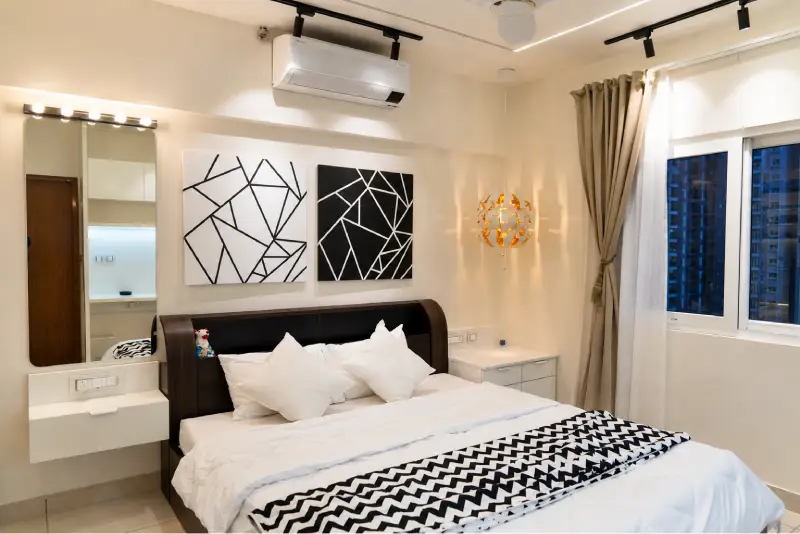
Table of Contents
ToggleIn a world where our eyes are bombarded with visual noise every second, minimalism in interior design becomes more desirable than ever.
This does not mean owning less stuff.
This means arranging everything so that each item has a place for itself.
Minimalist living spaces are not just places with white walls, bare furniture and no decorations.
They come into being through wise choices concerning spaces, materials, colors, textures and functions.
The approach to minimalist interiors is rather straightforward:
Discard the superfluous. Make the essential stand out.
At Cee Bee Design Studio, we at Cee Bee believe that the interior space of a house does not need to be overwhelming. It should give room to people to enjoy the space surrounding them comfortably.
Minimalist interior design refers to designing spaces where architecture coexists with daily living and embraces simplicity, elegance, and harmony.
The beauty of minimalist interior design is in its capability to design timeless homes. While other designs may become obsolete as time goes by, minimalistic designs will always remain relevant due to their core elements of comfort and purpose.
Understanding Minimalist Interior Design
Minimalism Beyond The Idea Of “Less”
One of the most common myths about minimalist interiors is that minimalist interior design is an interior design where there are less objects or even where all the interior is empty.
Actually, the concept of minimalism is not about anything absent.
Minimalism is about intention.
Each object present in minimalist home is there for a certain purpose. A chair is selected not just because it is aesthetically pleasing but because it brings the comfort. A light fixture is selected not just for its aesthetical value but because it creates the necessary atmosphere. A work of art is hung in a place because it brings the emotional value.
Minimalism is all about quality, not quantity.
Instead of trying to fill a space with numerous decorations, minimalism leaves the way for several carefully selected pieces to be noticeable.
The beautiful wooden table, interesting wall surface, unique art piece or light design solution could make the decoration of a room, as the environment makes it visible.
Why Minimalist Interiors Feel Timeless
Trends change, but careful design never goes out of fashion.
This is part of why minimalist homes have a timeless quality to them – they don’t rely on overly decorated or seasonal aesthetics. They use basic elements of design such as proportion, balance, natural elements, and functionality.
A minimalist home designed now can still be beautiful many years down the line because the basis of the design isn’t based on whatever is fashionable at the moment.
Instead, it focuses on building a powerful connection between:
- Architecture
- Materials
- Light
- Functionality
- Human experience
This makes minimalist design especially relevant for homeowners who want spaces that evolve gracefully over time.
The Core Principles Of Minimalist Interior Design
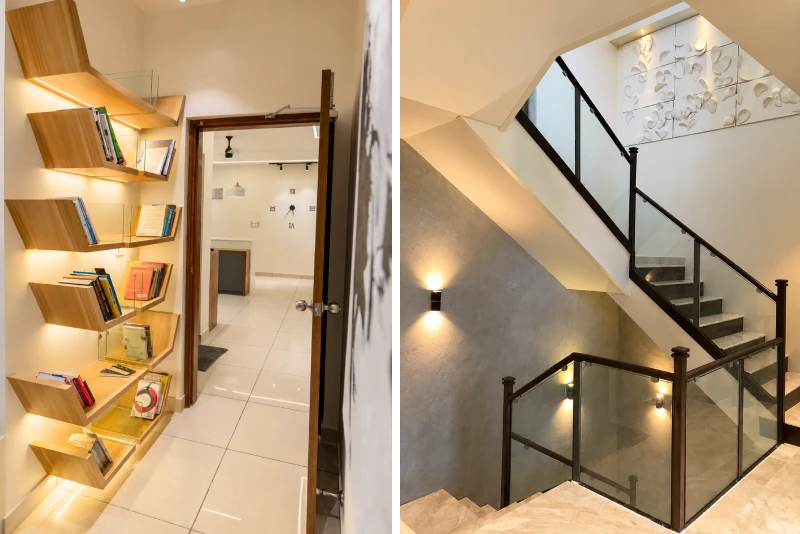
Functionality Before Decoration
The basis of minimalistic design is that the house has to be able to work for the lifestyle of its occupants.
Prior to any decor additions, one starts off the process by understanding functionality.
How does the family make use of the living room?
Where will the storage space go?
How do movements occur from one area to another?
What activities take place in each room?
All of this is part of a good minimalist design plan.
The placement of furniture is well thought out.
The storage space is incorporated.
The design makes the process easy.
It ensures that you don’t sacrifice practicality for aesthetics.
A good minimalist kitchen, for instance, doesn’t just involve beautiful cabinets and neutral colors. It involves the creation of an environment that promotes efficiency in cooking and storage.
The Importance Of Negative Space
Negative space can be described as one of the most critical components of minimalist interior design.
It is characterized by the presence of open space surrounding furniture, art pieces, and architectural components.
The negative space helps in achieving balance within the interiors and helps bring out key focal points within the house.
Unlike in other interiors where every nook and cranny is filled, minimalist designs are different.
They understand that empty space can also have some significance.
A white wall can provide emphasis on an object.
An open space can create a feeling of serenity.
It can also make life within the house more comfortable.
Creating Visual Calm Through Simplicity
Minimalistic interiors provide tranquility through reduction of unnecessary visual elements.
It does not imply that the interior lacks character.
Character is infused through significant elements.
An artisan made piece of furniture.
A natural material.
An appropriately selected piece of art.
An unusual texture.
It transforms from having many elements to quality elements.
Elements That Define Minimalist Interior Design
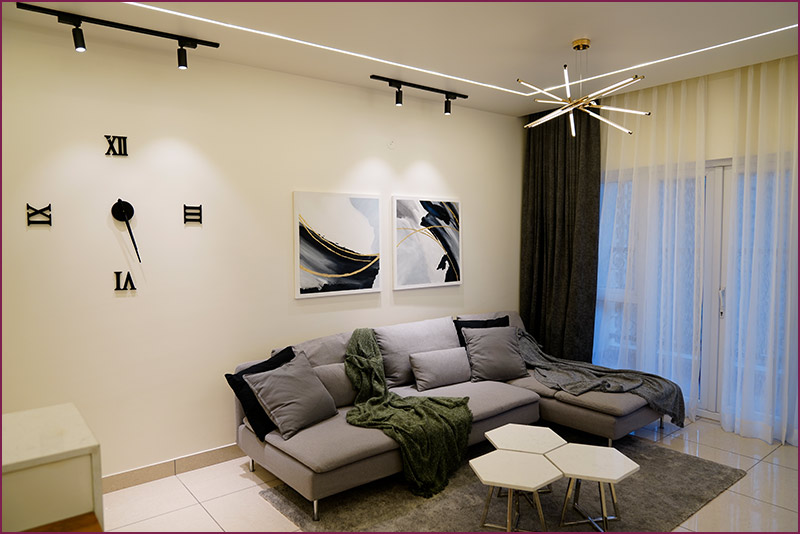
A Neutral And Thoughtful Colour Palette
Colour plays an important role in creating the mood of a minimalist home.
Most minimalist interiors use neutral shades such as:
- White
- Beige
- Soft grey
- Earthy tones
- Natural wood colours
The colors give an impression of openness and calmness.
Minimalism does not involve using just plain colors.
Depth is achieved through tonal and textural variation.
Beige color on walls together with natural wood.
Grey sofa with textured stone.
Earthy color in a neutral environment.
These are some of the combinations that add interest to the surroundings.
Natural Materials And Textures
Use of material is another effective way to bring warmth to minimalist settings.
Because minimalist interiors usually have simple architectural designs, natural materials assist in bringing balance.
Warmth can be achieved by using wood.
Character can be added through the use of stone.
Softness can be brought by using linen.
Refinement can be brought by using metal.
Transparency can be achieved through glass.
The use of varying materials ensures that minimalist interiors do not become cold or impersonal.
Clean Lines And Architectural Simplicity
A minimalist interior design is one that usually highlights clear architecture.
Rather than camouflaging its elements, the design allows the use of clear forms and proportions to define its vocabulary.
Clear lines.
Proportions.
Forms.
And uncluttered surfaces.
These make up an organized design, with the architecture being a part of it.
A well-thought-out staircase.
An architecturally beautiful window.
An interesting wall element.
All these elements stand out due to the surrounding design.
Furniture With Purpose
The choice of furniture is critical for any minimalistic design.
Every furniture item should be aesthetically pleasing and also have functional use.
Typical features of minimalist furniture are:
- Clean silhouettes
- Quality craftsmanship
- Comfortable proportions
- Long-term usability
Unlike several furniture items vying for the viewer’s attention, minimalistic spaces can be filled with fewer but more symbolic items.
A striking sofa.
A handmade dining table.
A comfy lounging chair.
Such items give character to the room.
Lighting As A Design Element
Lighting is not merely functional.
It evokes emotions.
Minimalist design employs lighting sensibly for bringing out the qualities of materials, architectural details, and emotions.
Natural lighting is maximized whereever feasible.
Large windows.
Open plans.
Translucent materials.
Layering of artificial lighting makes the environment warm.
Ambient lighting sets the overall mood.
Accent lighting draws attention to objects or texture.
Task lighting aids in performing tasks.
Effective lighting can entirely change a minimalist environment.
Storage Solutions That Maintain Visual Harmony
Maintaining a clutter-free environment is one of the most difficult tasks when it comes to designing minimalist interiors.
Here comes the importance of storage planning.
Storage within walls.
Storage inside cabinets.
Built-in storage.
Multifunctional furniture.
All these features help to keep the clear design of the house.
Good storage doesn’t just hide objects.
It creates an order system for everything.
Minimalist Interior Design Across Different Spaces
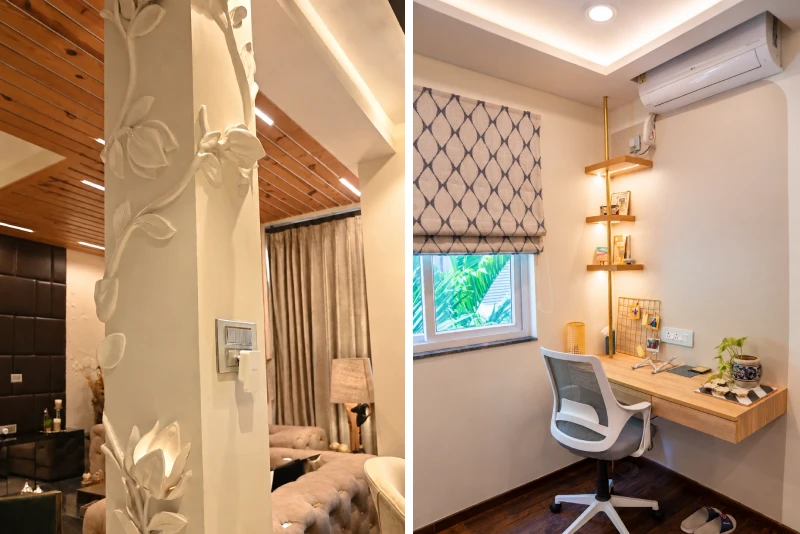
Minimalist Living Room Design
A minimalist living room focuses on creating comfort without visual overload.
The emphasis is on:
- Comfortable seating
- Balanced furniture placement
- Natural materials
- Thoughtful lighting
Rather than cluttering up the room with various decorative items, the design focuses on allowing some of its most important features to make their presence felt.
An impressive piece of art.
A wall with texture.
A great looking coffee table.
Minimalist Bedroom Design
The bedroom ought to be a space for relaxing.
This type of bedroom design entails the following aspects:
- Colors that are soft
- Textures that are comfortable
- Storage space
- Lighting that is warm
All these efforts lead to a relaxed space free from any form of distraction.
Minimalist Kitchen Design
The concept of minimalistic kitchen involves beauty and efficiency in equal measure.
Simple cabinetry, streamlined appliances, organized storage spaces, and good layout designs are used to provide a highly functional cooking space.
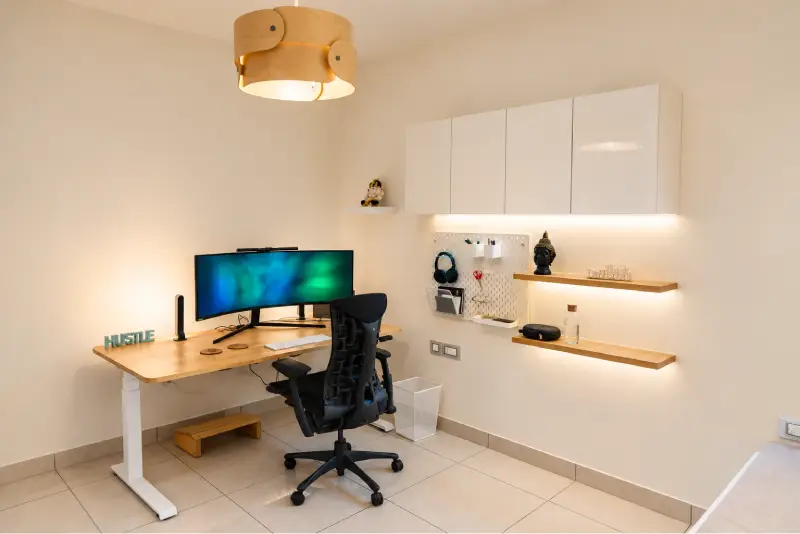
Minimalist Workspaces
In light of shifting lifestyle trends, home offices have gained prominence in residential designs.
Minimalistic workstations facilitate concentration through:
- Arranged layouts
- Comfortable seating
- Quality lighting
- Minimized distractions
The setting allows for productivity without compromising the overall design philosophy of the house.
The Role Of Materials In Minimalist Homes
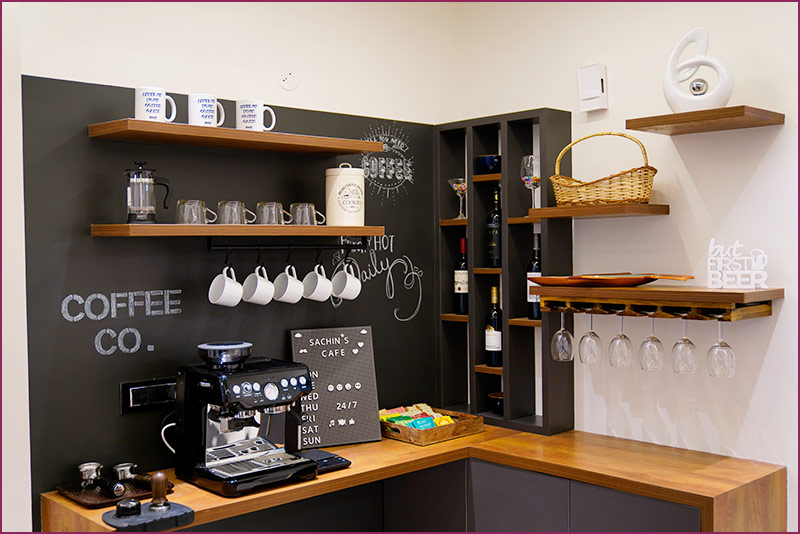
Wood: Bringing Warmth Into Minimal Spaces
Wood is a highly effective material when designing minimalistic interiors.
The natural texture of wood prevents bare and plain spaces from appearing lifeless.
Wood creates a link to nature through flooring, furniture, wall panels, and even accents.
Stone: Adding Character Through Natural Texture
Stone brings about depth and individuality.
The surface of each stone is unique in its own way.
If used appropriately, stone becomes an effective design element while remaining simple.
Fabrics And Soft Elements
Comfortable materials make a contribution to minimalist homes.
Curtains, rugs, furniture covers and cushions will provide a certain level of layering without spoiling the look.
The trick is choosing materials that fit the entire composition.
Minimalism And Luxury: Understanding The Connection
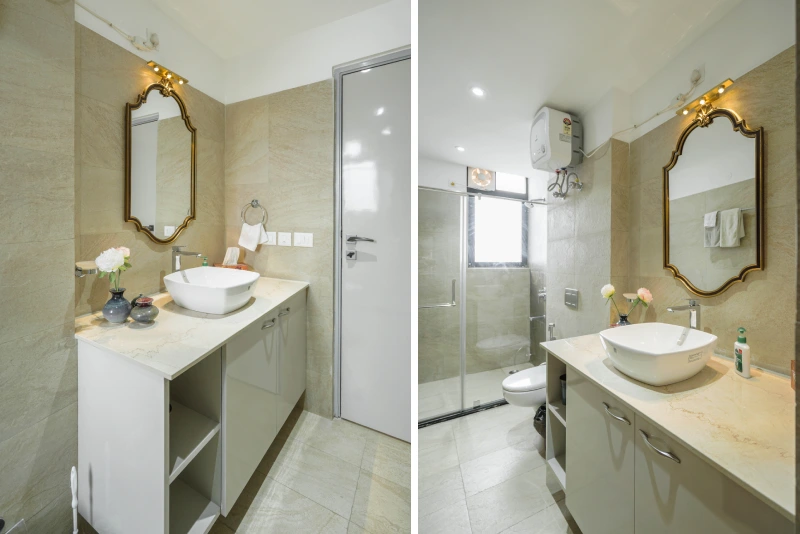
Why Minimalist Homes Can Feel More Premium
Luxe doesn’t always mean excess.
Sometimes luxe can be defined as constraint.
A surface rich with detailing.
A piece of furniture flawlessly made.
A material meticulously chosen.
A space brilliantly designed.
Minimalism makes it possible for all these elements to shine.
And that’s because when there’s less to compete with, the quality speaks up.
The Difference Between Minimal And Empty
One mistake that people make is thinking that minimalism is the process of creating emptiness.
However, a minimalist house will always feel warm, layered, and personal.
It all comes down to intention.
Empty rooms have nothing.
Minimalist rooms have everything they need.
Designing A Minimalist Home That Still Feels Personal
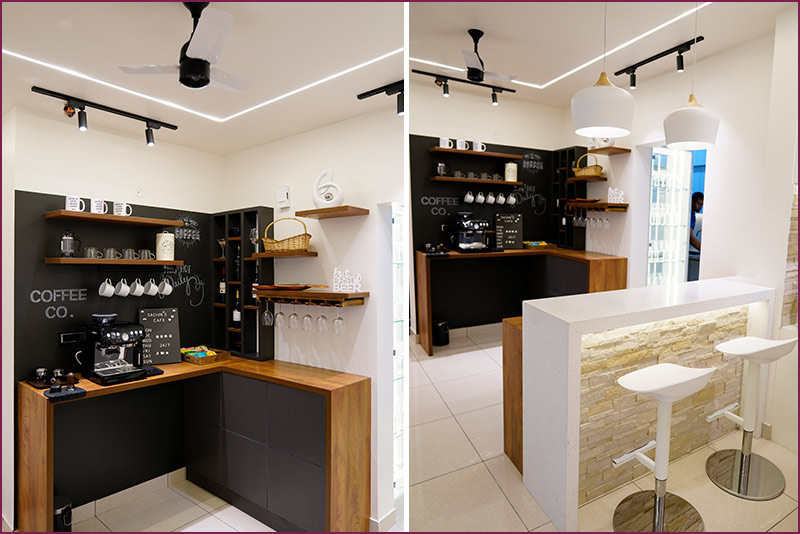
Bringing Personality Through Meaningful Details
Minimalist homes must never be generic.
Personal touches create an emotional bond.
Family art piece.
Memory from a vacation.
Handmade item.
Important collection.
These things give character to a minimalist home.
Balancing Simplicity With Emotional Connection
Minimalist homes are those that balance simplicity and narration.
They do not strip away personality.
Instead, they accentuate it.
A well-planned minimalist home enables the residents to dwell amidst less distraction and more connection with their priorities.
Common Mistakes In Minimalist Interior Design
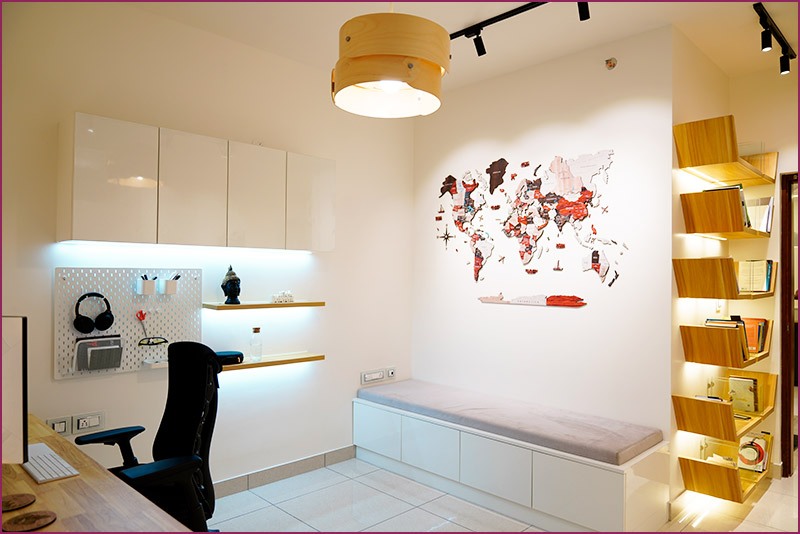
Confusing Minimalism With Lack Of Design
Minimalist design calls for meticulous planning.
A seemingly simplistic environment demands much consideration, as every aspect becomes critical.
Ignoring Comfort And Functionality
A minimalist home must never compromise on comfort.
Good design always needs to accommodate daily life.
Choosing Trends Over Timelessness
Minimalism that really makes sense takes into consideration longevity.
The idea is to create something that will be meaningful for long periods.
Cee Bee Design Studio’s Approach Towards Minimalist Interiors
Creating Homes That Feel Calm, Functional And Personal
At Cee Bee Design Studio, we do not think of minimalism as the creation of spaceless interiors.
Minimalism creates meaningful interiors.
What we aim to achieve is an understanding of people, respect for materials and creation of spaces where everything serves its function.
Minimalism gives us an opportunity to create homes where architecture and craftmanship meet each other effortlessly and where everyone’s personal story gets told.
Designing A Home That Reflects Your Story
Home does not consist of what is inside it.
Home consists of how well everything fits together.
Minimalism in interior design proves that less can mean more.
In this case, when done with purpose, fewer elements can make the experience deeper.
Since true luxury does not lie in abundance.
True luxury lies in a place where all the things which exist are meaningful.
Follow us on:
About us
Welcome to CeeBeeDesignStudio, an Indian homegrown interior design brand where every home is a canvas and every design is a story.
We’ve proudly completed over 1000 residential and 400 commercial projects across 7 cities, earning a reputation for unmatched aesthetic acumen and client satisfaction. Our studio has also been recognized with multiple national awards, a reflection of our commitment to excellence, storytelling, and design innovation.
From thoughtfully styling modern apartments to restoring heritage homes, we bring soul, sustainability, and structure into every project.