
Zen Style Interior Design
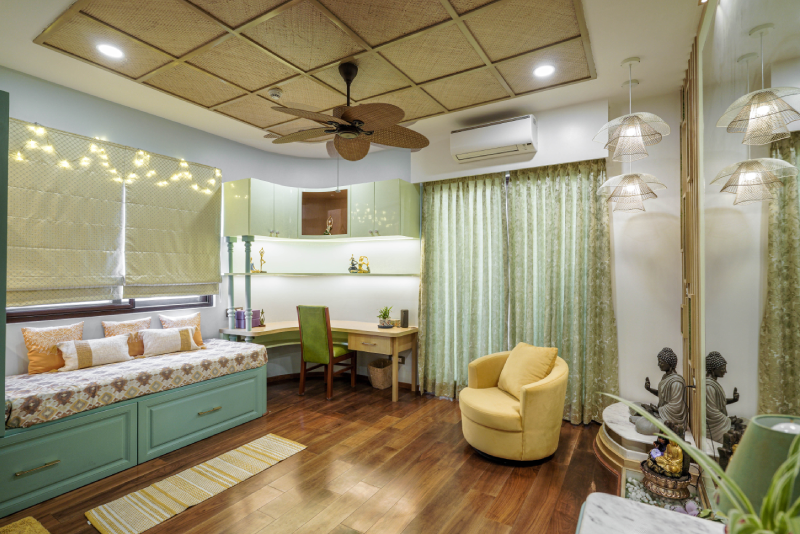
Table of Contents
ToggleDesigning Calm Within Chaos :
In a world that constantly demands our attention, the home becomes a place of retreat—a space where silence, balance, and simplicity take center stage. Japanese philosophy is the foundation of Zen-style interior design, which creates environments that encourage mindfulness, clarity, and a peaceful relationship with the natural world. Zen design places more emphasis on intention than ornamentation, letting each surface, texture, and material subtly contribute to a feeling of tranquility.
The careful use of natural materials, many of which have lovely parallels in Indian craftsmanship, is a defining feature of Zen interior design. For example, wood is essential to both traditions. Light-toned woods like cypress and cedar are used in Japanese interior design to add coziness and warmth. Similar to this, solid wood has long been used in Indian homes for furniture, doors, and beams. It is prized for both its longevity and the sense of stability it provides. When used in clean, simple forms, wood creates an immediate feeling of comfort and balance.
Another component that unites these two design philosophies is stone. Stone in its purest form—raw, textured, and flawed—is frequently used in Japanese interiors as flooring, accents, or garden accents. For centuries, locally sourced stone has been used in Indian architecture to provide both visual tranquility and thermal comfort. Stone gives Zen-inspired spaces a timeless, quiet strength, whether it’s in the form of a neutral-toned wall finish, a handcrafted stone basin, or a subtly textured stone floor.
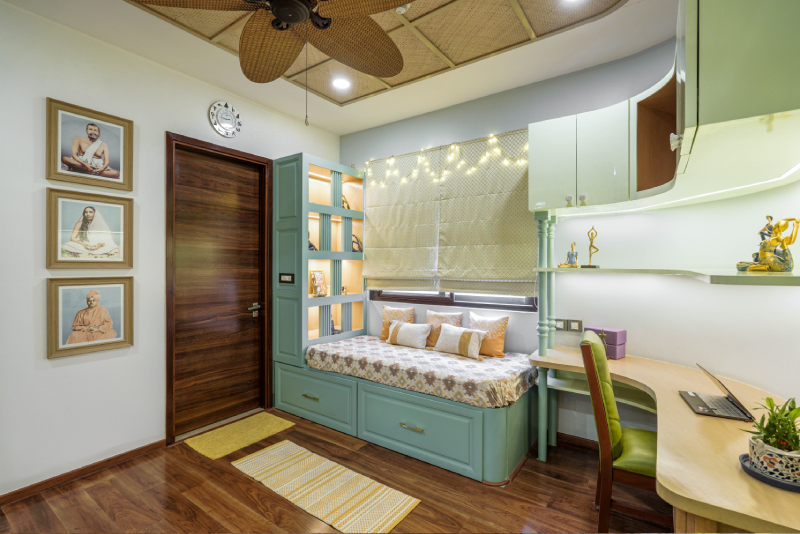
The calming atmosphere is also greatly influenced by wall finishes. Plasters made of clay and lime are used in traditional Japanese interior design to give walls a soft, matte look while allowing them to breathe. This is in line with natural finishes and Indian lime plaster, which have long been utilized for their organic texture and cooling qualities. These finishes add depth without creating visual noise, making walls feel alive rather than glossy or harsh.
We carefully combine these Japanese and Indian material sensibilities at CeeBee Design Studio to produce homes that are both sophisticated and grounded. We create interiors that exhibit serenity, harmony, and classic elegance by fusing natural woods, stone accents, breathable lime finishes, and tactile textures. The outcome is a contemporary Zen setting where peace becomes a daily occurrence and tradition and modern living coexist harmoniously.
Philosophy Behind Zen Interior Design
Zen interior design is not simply a visual style—it is a way of thinking about space, life, and how we interact with our surroundings. Rooted in mindfulness and restraint, this philosophy encourages us to slow down and live more intentionally. Every design decision is guided by the idea that a space should support emotional well-being, mental clarity, and a quiet sense of balance
Simplicity: Creating Space to Breathe
In Zen design, simplicity is not about removing everything—it’s about keeping only what truly belongs. When a space is free from clutter and unnecessary elements, it instantly feels lighter and more open. Clean surfaces, thoughtful storage, and minimal décor allow the eye to rest and the mind to slow down. The result is a home that feels organized, calm, and easy to live in.
Natural Harmony: Colours and Textures That Feel Calm
Zen interiors lean towards colours and materials that feel familiar and grounding—soft neutrals, warm earthy tones, and textures that come straight from nature. Wood that shows its grain, stone that feels slightly raw, walls with gentle imperfections—all of these add warmth without demanding attention. Instead of trying to stand out, these elements work quietly together, creating a sense of balance that feels natural rather than designed.
Balance: Knowing When to Stop
One of the most important ideas in Zen design is balance—not filling every corner, but knowing when to pause. Empty spaces are treated with as much respect as the elements placed within them. Furniture is arranged to feel grounded and intentional, allowing enough openness for movement and light. This balance between solid and empty space creates a calm rhythm, making the home feel settled and peaceful.
Connection to Nature: Bringing Calm Indoors
Nature plays a quiet but powerful role in Zen interiors. Natural light, indoor plants, wooden textures, stone accents, and water-inspired elements help create a soothing connection to the outdoors. These touches remind us to slow down and stay present. Even small gestures—like a plant near a window or a stone-finished surface—can make a space feel more alive and grounding.
These principles come from Asian Zen traditions, shaped by Japanese “wabi-sabi”, which finds beauty in imperfection, and Buddhist mindfulness practices that encourage living in the moment. Together, they form a design philosophy that values calm over clutter and meaning over excess—creating homes that feel warm, balanced, and quietly restorative.
Colour Palette & Materials
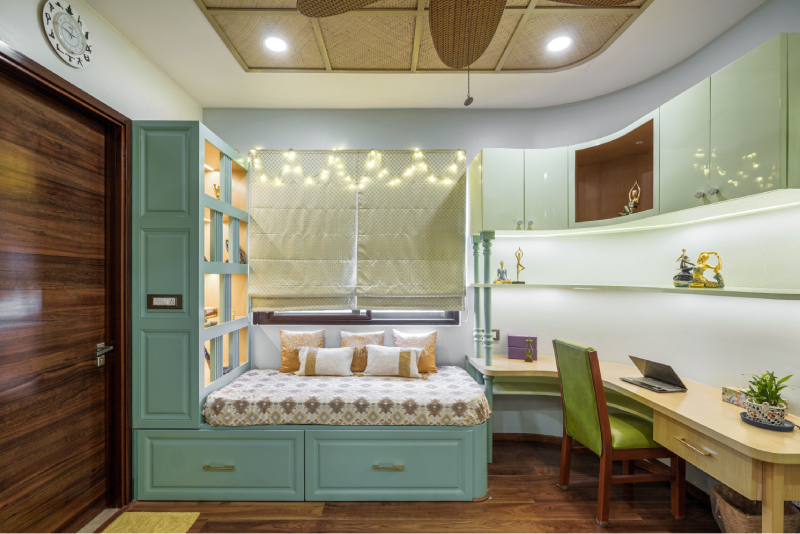
When it comes to Zen-style interiors, the choice of colours and materials plays a huge role in how the space feels. The goal is not to create drama, but comfort. These are homes designed to slow you down, so everything you see and touch needs to feel calm, familiar, and easy on the senses.
Colours: Soft, Easy, and Restful
Zen interiors usually begin with gentle, neutral shades—off-whites, beiges, taupe’s, soft greys, and muted greens. These colours are inspired by nature and are chosen because they don’t demand attention. Instead, they quietly settle into the background and make the space feel balanced. Such tones also work beautifully with natural light, changing subtly through the day and keeping the home feeling fresh and relaxed rather than flat or dull.
Materials: Natural and Grounding
Materials in Zen design are meant to feel real and honest. Wood and bamboo instantly add warmth and make a space feel welcoming. Fabrics like linen and jute introduce softness and texture without feeling heavy. Natural stone—whether used on floors, counters, or accent surfaces—adds a sense of grounding and permanence. These materials age gracefully and develop character over time, which is very much in the spirit of Zen living.
Accents: Light, Airy, and Unobtrusive
Accents are kept minimal and subtle. Elements like rice paper panels, rattan details, or frosted glass are used to gently define spaces without fully closing them off. They allow light to pass through, soften edges, and maintain a sense of openness. Rather than standing out, these accents quietly blend in, supporting the overall calm of the space.
Lighting: Soft Light That Feels Natural
Lighting in a Zen home is never harsh. Wherever possible, natural light is allowed to flow freely, filtered through sheer curtains or soft screens. During the evenings, warm and diffused lighting takes over—creating a cosy, peaceful atmosphere that feels comforting after a long day. The idea is for the lighting to feel almost unnoticed, yet always soothing.
At CeeBee Design Studio, we love blending clean, modern textures with Asian-inspired natural finishes to create spaces that feel timeless and tranquil. By thoughtfully combining soft colours, organic materials, and gentle lighting, we design homes that don’t just look calm—they genuinely feel calm to live in.
Different Approaches to Zen Interior Design
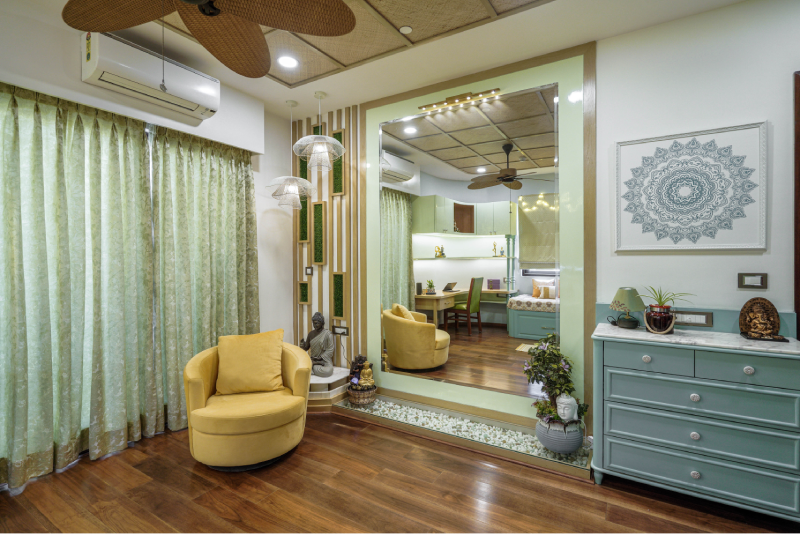
Zen interior design is not a one-size-fits-all style. While the philosophy remains rooted in calm, balance, and mindfulness, its expression can vary depending on the space, lifestyle, and architectural context. Broadly, Zen interiors can be interpreted in two distinct yet harmonious ways—traditional and contemporary—each offering its own mood and character.
a) Traditional Asian Zen Interior
Traditional Zen interiors are inspired heavily by Japanese living—simple, uncluttered, and deeply connected to nature. These spaces are designed to feel open and breathable, with minimal furniture and clear movement paths. The layouts are often fluid, with sliding panels instead of solid walls, allowing spaces to expand or close off as needed.
Furniture is kept low, which creates a grounded, almost meditative feeling. Materials like natural wood and tatami mats add warmth while keeping the space light and simple. Shoji screens made of wood and rice paper gently filter light instead of blocking it completely, creating a soft and calming atmosphere throughout the day.
The overall mood of a traditional Zen space is quiet and introspective. It feels slow, peaceful, and deeply calming—ideal for moments of reflection, reading, or simply disconnecting from daily noise.
For Ex : Imagine a small tea room or reading corner that instantly makes you feel at ease. The wooden floor feels warm and natural, not polished to perfection, but honest and comforting. The seating is low and simple, encouraging you to sit down, relax, and slow your pace without even realizing it.
Soft light enters the room through sliding shoji screens, spreading gently instead of flooding the space. There’s no harsh brightness—just a calm glow that shifts quietly as the day moves on. The colors are neutral and easy on the eyes, blending wood tones with soft whites and muted earthy shades.
There’s no clutter here. Everything has a place, and nothing feels unnecessary. Maybe there’s a book resting nearby, a small tea setup, or a single plant in the corner—just enough to make the space feel alive without feeling busy.
It’s the kind of space that naturally invites you to pause. You don’t feel rushed or distracted. Whether you’re reading, sipping tea, or simply sitting quietly, the room gently encourages you to be present, letting the noise of the outside world fade away on its own.
b) Contemporary Zen Interior Design
Contemporary Zen interiors take the essence of Zen and blend it with modern living. These spaces feel clean, open, and refined, but never cold or sterile. The focus is on simplicity, but with comfort and subtle luxury woven in.
Here, you’ll see clean lines, open layouts, and plenty of natural light. Materials are modern yet calming—matte finishes instead of glossy ones, soft fabrics instead of heavy textures, and natural stone to add a sense of balance. Large windows play a big role, allowing light and air to move freely through the space.
Indoor plants are often used as part of the design, not just decoration. They soften sharp edges, improve air quality, and bring life into modern interiors. The result is a space that feels calm and fresh, even in a busy urban setting.
For Ex: Imagine walking into a modern apartment where the first thing you notice is the sense of openness. The color palette stays close to nature—soft browns, warm greys, muted beiges—nothing loud, nothing overpowering. These earthy tones instantly make the space feel grounded and comfortable, even though the design is clean and modern.
Floor-to-ceiling windows line the space, allowing daylight to pour in throughout the day. The light changes gently from morning to evening, keeping the home feeling fresh and alive. Instead of heavy curtains, the windows are left open or lightly filtered, so the connection to the outside remains constant.
The furniture is simple and thoughtfully chosen. Clean lines, soft fabrics, and uncluttered forms keep the space feeling light and easy to move through. There’s no excess—just enough to make the home functional, comfortable, and calm. Every piece feels like it belongs there.
Indoor planters are placed carefully around the apartment—not as decoration, but as part of the design. They soften the clean lines, improve air quality, and add a quiet sense of life to the space. A plant near the window, one in a corner, another by the seating area—small touches that make a big difference.
Overall, the home feels peaceful without feeling empty. It’s open, light-filled, and easy to live in—perfect for modern lifestyles that need both comfort and calm, while still staying true to the essence of Zen living.
Zen Bedroom Decorations
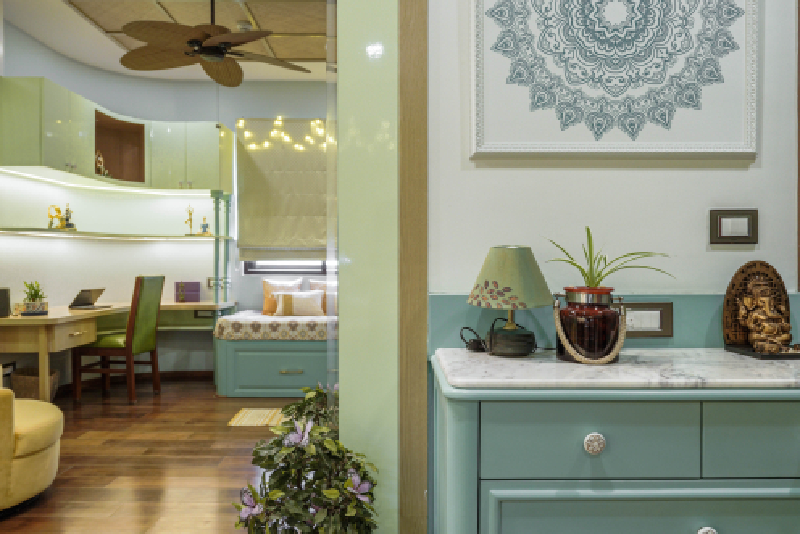
A Zen bedroom is meant to feel like a place where the day slowly fades away. It’s not about styling the space heavily, but about keeping it simple, comfortable, and peaceful—so the moment you step in, your body and mind begin to relax.
The first step is keeping the bedroom clutter-free. Too many visible items can make the space feel restless, even if the colors are calm. Hidden storage works beautifully here—beds with drawers, wardrobes with clean shutters, or concealed cabinets—so everyday items stay out of sight and the room feels open and uncluttered.
Soft, natural fabrics make a big difference in how the bedroom feels. Linen bedsheets, breathable cotton curtains, and woven rugs add warmth without making the space heavy. These textures feel gentle against the skin and help create a relaxed, lived-in atmosphere that’s perfect for rest.
Bringing in small elements of nature adds life and balance to the bedroom. A bonsai on a side table, a bamboo planter near a window, or even a simple stone element can quietly ground the space. These touches don’t dominate the room—they simply remind you of nature in a subtle, calming way.
Lighting should always be soft and adjustable. Harsh lights can disturb the calm energy of a Zen bedroom. Dimmable warm lights, bedside lamps, or paper lanterns create a gentle glow that feels comforting, especially in the evenings. The idea is to let the light ease you into rest rather than keep you alert.
To complete the experience, subtle aromatherapy can be introduced. Natural scents like sandalwood or lavender help the mind unwind and signal the body that it’s time to slow down. A simple diffuser or incense placed thoughtfully can turn the bedroom into a truly calming retreat.
Together, these elements create a bedroom that feels peaceful, balanced, and deeply restorative—a space designed not just for sleep, but for quiet moments of calm at the end of the day.
How CeeBee Design Studio Crafts Zen Interiors
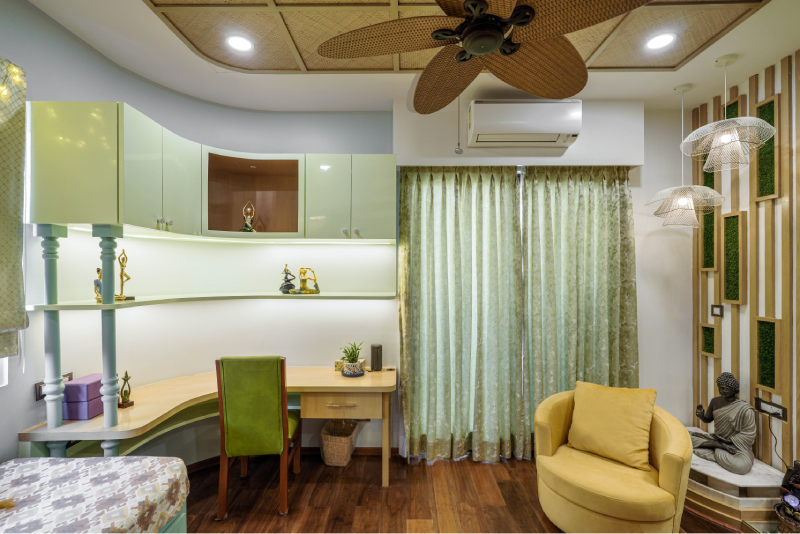
At CeeBee Design Studio, creating a Zen interior is never about following a fixed style or copying a reference image. It always begins with understanding the person who will live in the space. We spend time listening—learning what calm means to you, how you want your home to feel at the end of a long day, and what kind of energy you want to wake up to every morning. This emotional intent becomes the foundation of the design.
Once that clarity is established, we move into creating a mood board. This is where ideas slowly take shape. Natural color palettes, soft textures, and material references are brought together to reflect the sense of balance and calm we’re aiming for. It’s not about filling the board with options, but about choosing elements that work quietly and harmoniously together.
Material selection is a very thoughtful process for us. We lean towards organic, tactile materials—wood, stone, lime finishes, natural fabrics—materials that feel good to touch and only get better with time. These are surfaces that age gracefully, developing character rather than wearing out, making the home feel warm and lived-in over the years.
Planning the spatial flow is equally important. We design open layouts wherever possible, allowing light and air to move freely through the space. Instead of heavy partitions, we use subtle zoning to define areas, ensuring movement through the home feels smooth and unforced. The aim is to create spaces that feel calm to walk through, not just calm to look at.
Finally, we focus on styling—keeping it minimal and meaningful. Décor is carefully curated, with an emphasis on handcrafted elements such as ceramics, indoor plants, or bamboo lighting. Each piece is chosen for its presence, not its quantity. Nothing feels excess, and nothing feels empty.
Through this approach, CeeBee Design Studio creates Zen interiors that are visually minimal yet emotionally abundant—homes that are calm, balanced, and deeply comforting to live in.
Conclusion :
Zen-style interior design goes beyond how a space looks—it’s about how it feels to live in it, day after day. It encourages a way of living that is slower, more intentional, and more connected to the present moment. Through balance, simplicity, and a close relationship with nature, Zen interiors remind us that calm doesn’t have to be found outside our homes—it can be thoughtfully designed into them.
This approach teaches us an important idea: beauty doesn’t come from excess, but from clarity. When spaces are uncluttered, materials are honest, and every element has a purpose, the home naturally becomes more peaceful. Zen design shows us that even small choices—soft light, natural textures, quiet corners—can make a big difference to how we feel every day.
If you’re looking to bring this sense of calm into your own home, it starts with mindful design decisions made around your lifestyle and emotional needs. At CeeBee Design Studio, we believe in creating spaces that support well-being as much as they support daily living. By understanding your vision and designing with intention, we help transform everyday spaces into places of comfort, balance, and quiet joy.
If a calmer, more grounded home is something you’ve been longing for, a conversation with our team is the first step. Discover how thoughtful, Zen-inspired design can gently transform the way you experience your space—every single day.
Step into a Zen-inspired interior where simplicity, balance, and calm come together to create spaces that truly feel like home.
Follow us on:
About us
Welcome to CeeBeeDesignStudio, an Indian homegrown interior design brand where every home is a canvas and every design is a story.
We’ve proudly completed over 1000 residential and 400 commercial projects across 7 cities, earning a reputation for unmatched aesthetic acumen and client satisfaction. Our studio has also been recognized with multiple national awards, a reflection of our commitment to excellence, storytelling, and design innovation.
From thoughtfully styling modern apartments to restoring heritage homes, we bring soul, sustainability, and structure into every project.



Enter Your Details
About Us
CeeBeeDesignStudio is one of the fastest growing interior execution companies. Currently we have very strong presence in Bangalore, Goa, and Kolkata. Our motto is to keep the clients requirement and budget in mind and give a qualitative result on time.
Quick Link
Contact Info
- Door No-18, 3rd B Cross, Domlur II Stage, Bangalore 560071
- +91 8697306015
- chitralekha@ceebeedesignstudio.com
Contact Info
- 3045 Rajdanga main road, Kolkata, West Bengal 700107
- +91 8697306015
- chitralekha@ceebeedesignstudio.com
- Copyrigt © 2026 CeeBeeDesignStudio Pvt. Ltd