
Bengali House Interior Design That Feels Cultural, Warm & Timeless
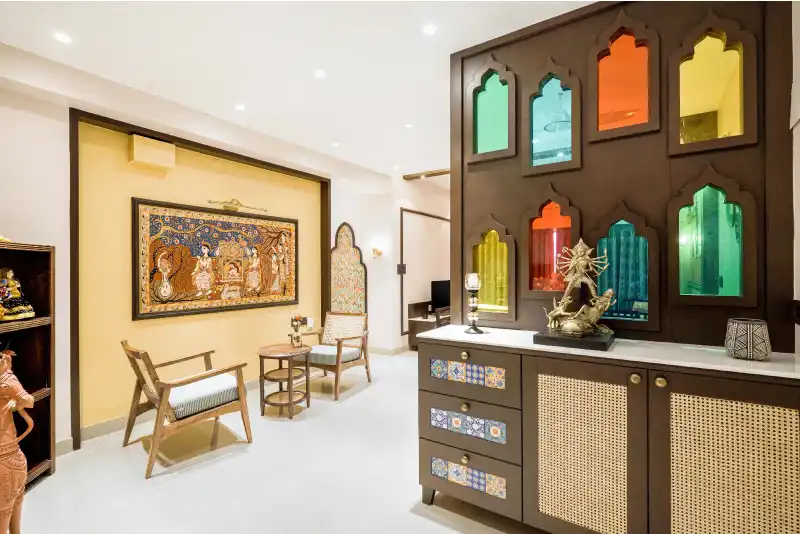
A Bengali home has never been just about walls, furniture, or decoration. A true Bengali house interior carries memory, emotion, conversation, literature, music, food, rituals, and warmth. Every Bengali interior tells a story. Every Bengali home interior reflects personality, culture, and a lived-in comfort that feels deeply human.
Today, homeowners are searching for ways to create a Bengali house interior that feels modern without losing emotional familiarity. They want homes that feel rooted yet contemporary. They want spaces that celebrate heritage without becoming visually outdated. This shift has completely transformed Bengali interior design across urban homes and apartments.
At Cee Bee Design Studio, we believe Bengali interior design is not about recreating old mansions or turning homes into museum pieces. It is about translating emotion, culture, and identity into contemporary living. The best traditional Bengali interior design today feels calm, intelligent, layered, artistic, and deeply personal.
Modern families now want a Bengali house interior that combines cleaner layouts, functional planning, open spaces, and subtle cultural expression. They want a Bengali interior that respects literature, adda culture, art, music, and family rituals while fitting into the realities of modern urban living.
A meaningful Bengali home interior is not created through theme décor alone. It comes from textures, materials, lighting, memories, handcrafted elements, and thoughtful storytelling. This is why traditional Bengali interior design continues to evolve beautifully in modern homes.
Bangaliana Is About Identity, Not Decoration
At Cee Bee Design Studio, we believe Bangaliana is not about recreating an old Bengali house. It’s about celebrating Bengal’s art, craftsmanship, and cultural identity in a way that feels relevant for today’s lifestyle.
A modern Bengali home should be minimal, functional, and thoughtfully planned, while carrying the warmth of its roots. We don’t believe in filling spaces with traditional décor. Instead, we use a few meaningful elements inspired by Bengal’s rich craft traditions to create homes that feel authentic, timeless, and deeply personal.

What Defines a Bengali House Interior?
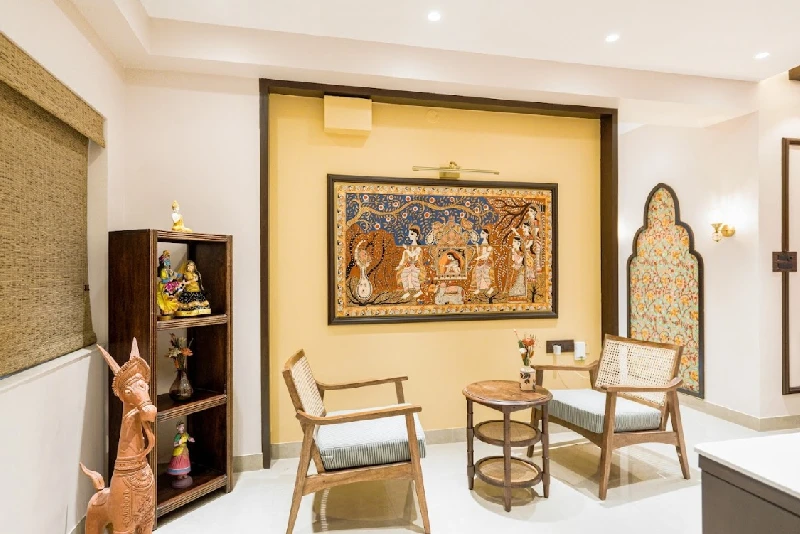
A Bengali house interior is emotionally rich. Unlike overly clinical spaces, a Bengali interior often feels layered, warm, welcoming, and deeply lived in. The essence of Bengali interior design lies in creating spaces that encourage connection.
A Bengali home interior usually includes spaces for conversation, reading, music, dining, hospitality, and slow living. Adda culture plays an important role in shaping the layout of a Bengali house interior. Seating arrangements are often conversational rather than formal.
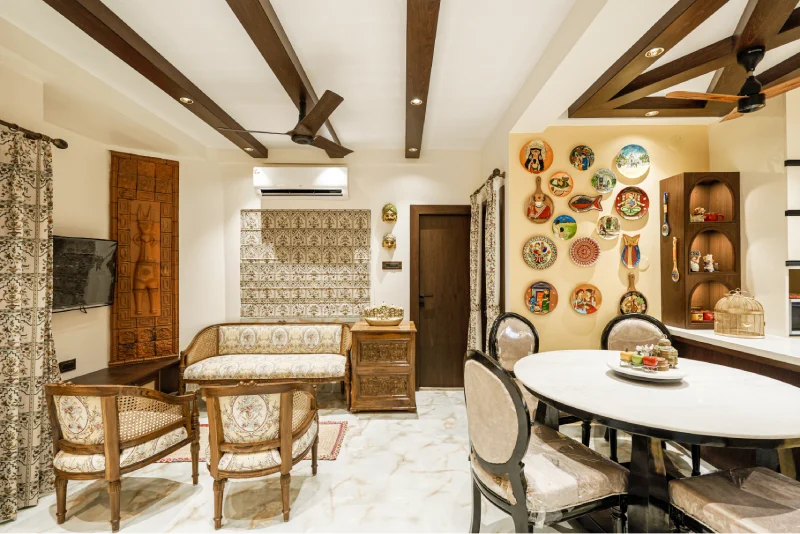
Traditional materials are another defining feature of Bengali interior design. Wooden textures, woven details, cane furniture, terracotta accents, handcrafted décor, brass objects, textiles, and earthy palettes
bring warmth into the space. A thoughtful Bengali interior balances heritage and comfort naturally.
In many homes, traditional Bengali interior design also includes reading corners, music spaces,
verandahs, balconies with plants, prayer corners, and dining areas that become emotional gathering
points.
A Bengali house interior often feels personal instead of perfectly staged. That is what makes Bengali
interior design emotionally intelligent and timeless.
Traditional Bengali Interior Design Elements That Still Work Today
The beauty of traditional Bengali interior design is that it continues to adapt beautifully to modern
lifestyles. Instead of copying the past directly, today’s traditional Bengali interior design reinterprets
heritage in subtle and elegant ways
Antique Wooden Furniture
Wood has always played a major role in Bengali interior design. Antique teak furniture, colonial influences, carved details, vintage cabinets, and handcrafted wooden pieces continue to inspire modern Bengali house interior concepts.
Today, traditional Bengali interior design uses these wooden elements in more balanced ways. Instead
of overcrowding spaces, designers combine vintage-inspired pieces with cleaner contemporary forms.
Cane and Woven Textures
Cane furniture and woven textures are deeply connected to Bengali interior aesthetics. Cane chairs, woven pendant lights, textured shutters, jute rugs, and handmade baskets add warmth to a Bengali home interior.
Cane furniture and woven textures are deeply connected to Bengali interior aesthetics. This blend of handcrafted detailing and simplicity makes Bengali interior design feel organic and
calming.
Terracotta and Handcrafted Craftsmanship
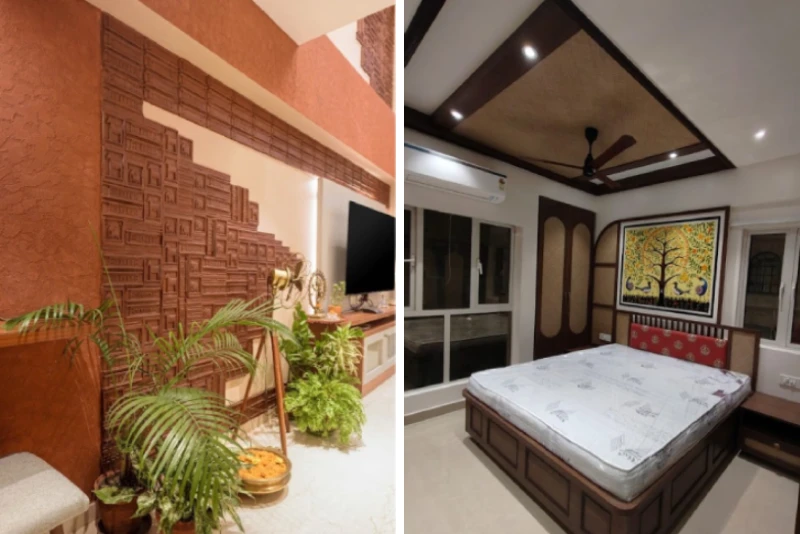
Terracotta plays a powerful role in traditional Bengali interior design. At Cee Bee Design Studio,terracotta is not treated as a decorative trend but as a meaningful cultural material.
Chitralekha Biswas’s visit to Bishnupur became an important creative influence in understanding the origins of grassroots craftsmanship. Bishnupur and artisan clusters like Kota Gram preserve generations of terracotta artistry that continue to inspire Bengali house interior concepts today.
Through collaboration with local artisans, traditional Bengali interior design can evolve into something contemporary while still respecting heritage.
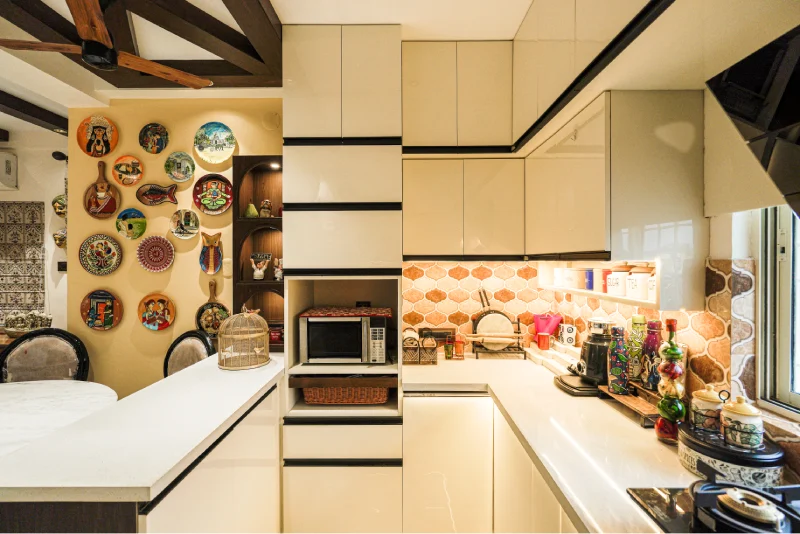
Terracotta wall textures, handcrafted tiles, pottery, artisanal panels, and earthy finishes create emotional depth in a Bengali interior.
Different Bengali Art Forms in Interior Design
Art has always shaped Bengali interior design. A culturally rooted Bengali house interior often includes different Bengali art forms that carry memory and storytelling.
Patachitra, Kalighat painting, PhotoChitro influences, kantha textiles, handcrafted embroidery, and folk narratives add richness to a Bengali home interior.
Traditional Bengali interior design becomes more meaningful when these art forms are integrated thoughtfully rather than used excessively
Kalighat painting, known for its expressive visual storytelling, adds artistic depth to Bengali interior spaces. Patachitra introduces narrative traditions rooted in rural Bengal. Kantha textiles bring softness, texture, and emotional familiarity into the Bengali interior.
The origins of these art forms are deeply connected to grassroots artisans and generational craftsmanship. Supporting these artisans through contemporary design collaborations keeps traditional
Bengali interior design alive in meaningful ways.
Courtyard Influence in Modern Homes
Traditional homes often centered around courtyards. Today, Bengali interior design recreates that openness through indoor greens, open layouts, double-height spaces, skylights, and visual breathing
areas.
Even in apartments, a Bengali house interior can feel airy and emotionally open through thoughtful planning.
Balcony and Verandah Culture
Balconies hold emotional significance in a Bengali home interior. Evening tea, books, conversations, plants, and quiet moments shape the emotional atmosphere of a Bengali interior.
Traditional Bengali interior design values slow living. This philosophy continues beautifully in contemporary balcony design.
Blending Tradition and Modern Design
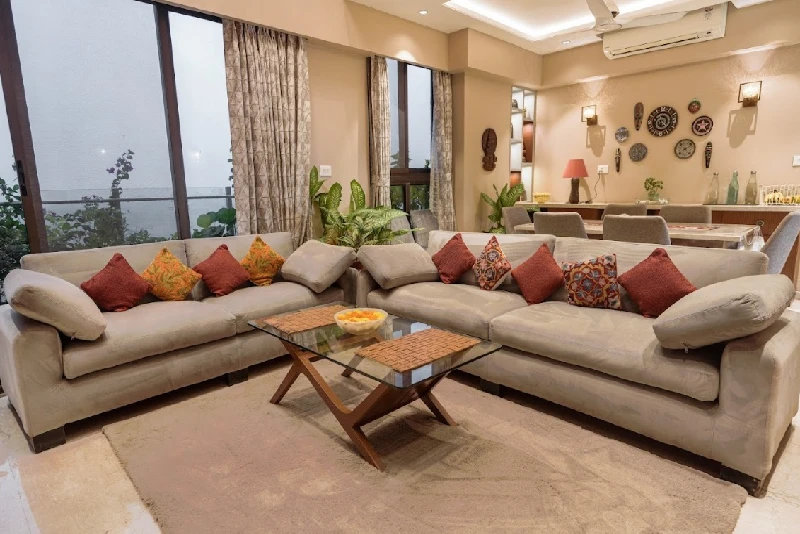
The most beautiful homes are the ones that bring tradition and modern living together. It is like keeping your roots alive and growing into something new. A carved wooden panel can be placed next to a clean and modern sofa. A traditional colour scheme can blend nicely with simple layouts and open spaces.
This is what makes a home complete. It is the comfort of the past and the simplicity of the present. You do not have to choose between the two. You can have it all.
When tradition and modern design come together, the space becomes more personal. It becomes a space that tells a story, a space that becomes a part of you. It becomes a space that feels warm, meaningful, and uniquely yours.
Modern Bengali Home Interiors for Apartments and Urban Homes
One of the biggest misconceptions is that Bengali interior design only works in large traditional
homes. In reality, a Bengali house interior can adapt beautifully to modern apartments and compact
urban spaces.
Modern Bengali interior design is becoming cleaner, softer, and more refined. Neutral walls, subtle
cultural accents, warm lighting, and thoughtful textures allow a Bengali home interior to feel rooted
without becoming visually heavy.
The goal of modern traditional Bengali interior design is balance. The space should feel Bengali
without feeling overwhelming.
Compact apartments can still include:
- Soft terracotta textures
- Handloom fabrics
- Cane furniture
- Artistic corners
- Compact puja units
- Warm wooden finishes
- Thoughtful lighting
- Cultural artwork
A Bengali house interior today often blends beautifully with Scandinavian warmth, colonial contemporary influences, Japandi softness, and modern Indian aesthetics.
The most successful Bengali interior design projects focus on emotional warmth rather than excessive
ornamentation.
Bengali Living Room Interior Ideas
The living room is often the emotional heart of a Bengali house interior. It is where conversations happen, guests gather, music plays, and adda culture comes alive.
A good Bengali interior prioritizes conversational layouts over formal arrangements. Sofas and chairs
are often placed to encourage interaction.
Bookshelves play a major role in Bengali interior design. Books are not treated as decoration alone. They represent identity, intellect, curiosity, and culture.
Warm lighting is equally important in a Bengali home interior. Diffused lamps, vintage-inspired fixtures, woven lights, brass accents, and soft lighting help create emotional intimacy.
Accent pieces in traditional Bengali interior design may include:
- Handloom cushions
- Brass décor
- Framed artwork
- Terracotta sculptures
- Woven lamps
- Vintage collectibles
A Bengali house interior should never feel like a restaurant interpretation of Bengal. The goal is authenticity and emotional comfort.
Bengali Bedroom Interior Design
A Bengali bedroom interior focuses more on emotional comfort than visual extravagance.
Warm wood tones, cotton fabrics, muted palettes, handloom bedding, artistic corners, and soft lighting
create a calm Bengali interior.
Traditional Bengali interior design in bedrooms often includes vintage wardrobes, textured walls, woven accents, and personal artwork.
The atmosphere should feel restful, nostalgic, and emotionally grounding.
Bengali Dining Space Design Ideas
In many homes, the dining area becomes the emotional center of the house. A Bengali house interior
treats dining as an experience rather than just a functional activity.
Meals, hospitality, celebrations, and conversations shape the emotional energy of a Bengali home interior.
Traditional Bengali interior design often uses:
- Large dining tables
- Warm pendant lighting
- Crockery displays
- Heritage-inspired chairs
- Wooden textures
- Artistic walls
The dining space in Bengali interior design is deeply connected to hospitality and togetherness.
Best Colors for Bengali Interior Design
Color plays an important role in Bengali interior design.
Earthy neutrals like beige, ivory, muted browns, and warm whites help create a calming Bengali house
interior.
Traditional tones like terracotta, deep red, mustard, indigo, and charcoal wood add cultural familiarity to a Bengali interior.
Soft heritage colors like dusty blue, moss green, and muted clay shades work beautifully in a Bengali home interior.
The key to successful traditional Bengali interior design is restraint. Subtlety often makes Bengali-inspired interiors feel more refined.
Materials That Make a Home Feel Bengali
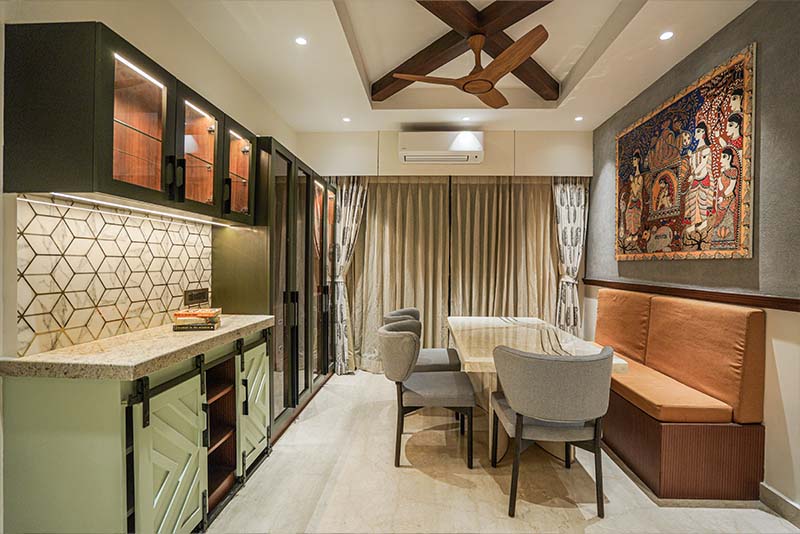
Materials create emotional warmth in Bengali interior design.
Teak wood, cane, jute, linen, cotton, brass, textured plaster, terracotta, handmade tiles, and
handcrafted finishes bring authenticity to a Bengali house interior.
These materials work beautifully because they feel tactile, natural, and emotionally grounding.
Traditional Bengali interior design values materials that age gracefully and carry visible
craftsmanship.
How to Create a Bengali Interior Without Making It Look Old
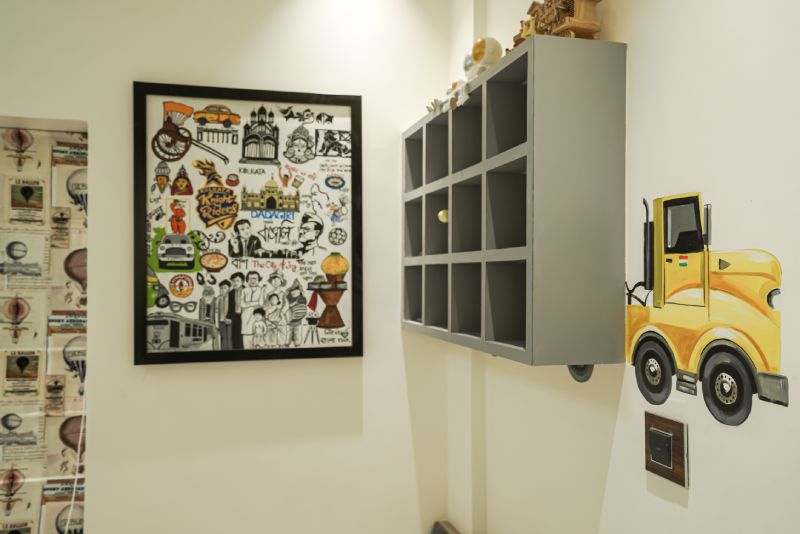
Many homeowners worry that a Bengali house interior may feel visually outdated. However, modern Bengali interior design avoids excessive heaviness.
To create a balanced Bengali interior:
- Avoid clutter
- Reduce excessive carving
- Use cleaner silhouettes
- Focus on textures instead of overload
- Curate thoughtfully
- Use warm lighting
- Mix heritage with modern forms
The goal is not to recreate the past. It is to carry its warmth into contemporary living.
This philosophy defines the future of traditional Bengali interior design.
Bengali Interior Design Ideas for Different Home Types
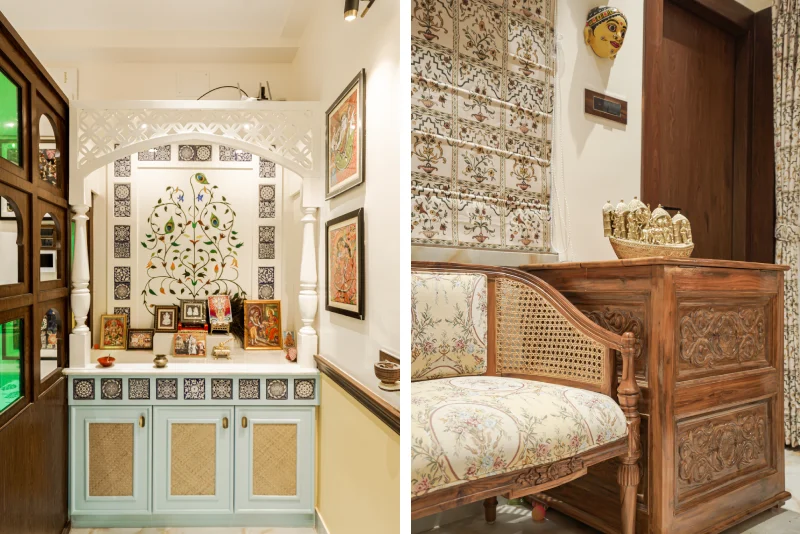
Bengali Apartment Interior
A compact apartment can still achieve a meaningful Bengali house interior through textures, art, lighting, and handcrafted details.
Duplex Homes
Duplex layouts allow Bengali interior design to experiment with openness, stairway art, indoor greenery, and dramatic vertical spaces.
Old Family Homes
Traditional family homes often preserve the strongest emotional essence of traditional Bengali interior
design.
Modern Villas
Luxury villas can reinterpret Bengali interior aesthetics through larger cultural spaces, courtyards, and
artisanal detailing.
Compact Urban Flats
Even small flats can include meaningful Bengali home interior elements through careful curation.
Common Mistakes in Bengali-Themed Interiors
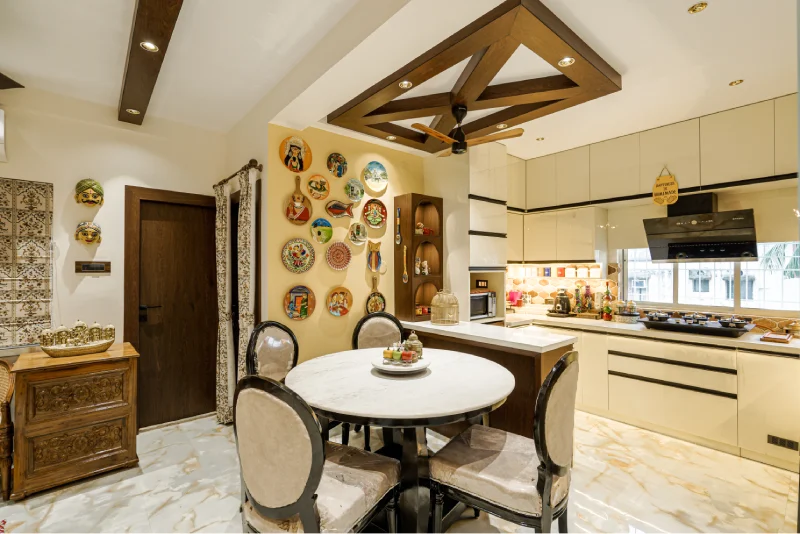
Many people misunderstand Bengali interior design by focusing only on stereotypical aesthetics.
Common mistakes include:
- Excessive maroon everywhere
- Overuse of ethnic décor
- Heavy dark furniture
- Poor lighting
- Turning homes into heritage sets
- Sacrificing functionality
Traditional Bengali interior design should feel elegant and emotionally layered, not visually crowded.
Why Bengali Interiors Feel Emotionally Rich
What truly separates Bengali interior design from generic interiors is emotional depth.
A Bengali house interior is shaped by literature, music, nostalgia, Durga Puja memories, conversations, artistic expression, and intellectual culture.
A Bengali interior often reflects a lifestyle built around emotion and storytelling.
Books, Rabindranath-inspired aesthetics, music corners, handloom textures, tea rituals, and artistic objects all contribute to the emotional richness of a Bengali home interior.
Traditional Bengali interior design is not simply decorative. It reflects identity
Designing a Bengali Home That Reflects Your Lifestyle
Every family expresses culture differently. Some prefer artistic homes. Some prefer subtle elegance. Some prefer stronger heritage references.
The best Bengali interior design projects understand this individuality.
A meaningful Bengali house interior should never feel copied from Pinterest. It should reflect the people living inside the space.
Some homeowners prefer softer modern interpretations of traditional Bengali interior design. Others enjoy stronger artisanal expression through terracotta, artwork, and handcrafted details.
At Cee Bee Design Studio, we believe the best Bengali interior spaces are the ones that feel emotionally honest.
Whether it is through kantha textiles, terracotta textures, handcrafted furniture, Kalighat painting, PhotoChitro influences, Patachitra storytelling, or modern cultural expression, every Bengali home
interior deserves to feel personal.
A thoughtfully designed Bengali interior can feel modern, functional, artistic, and emotionally warm at the same time.
That is the true beauty of traditional Bengali interior design today.
FAQs
Q1. What is Bengali interior design style?
A. Bengali interior design focuses on warmth, culture, art, emotional comfort, handcrafted textures, and
intellectual expression.
Q2. How do I make my home look Bengali?
A. You can create a Bengali house interior using warm textures, handcrafted décor, terracotta, art,
bookshelves, woven materials, and subtle cultural details.
Q3. Can Bengali interiors look modern?
A. Yes. Modern Bengali interior design blends heritage with cleaner contemporary aesthetics.
Q4. Which colors work best in Bengali homes?
A. Terracotta, muted neutrals, mustard, ivory, dusty blue, deep red, moss green, and earthy browns work
beautifully in a bengali home interior.
Q5. What furniture suits Bengali house interiors?
A. Wooden furniture, cane seating, woven textures, handcrafted pieces, and vintage-inspired forms suit
Bengali interior spaces.
Q6. How can I mix traditional Bengali décor with modern interiors?
A. Use selective cultural accents instead of excessive decoration. Traditional Bengali interior design
works best when balanced thoughtfully.
Q6. Are Bengali interiors suitable for apartments?
A. Absolutely. Even compact apartments can achieve a beautiful Bengali house interior through lighting,
textures, artwork, and handcrafted materials.
Q6. What materials are commonly used in Bengali homes?
A. Terracotta, teak wood, cane, brass, cotton, jute, linen, textured plaster, and handmade tiles are
common in Bengali interior design.
A Bengali Home Should Feel Like Identity, Not Imitation
Your home should not look copied from trends.
A Bengali house interior carries memory, culture, warmth, literature, artistry, and emotional connection. The best Bengali interior spaces feel intelligent, rooted, welcoming, and timeless.
At Cee Bee Design Studio, we believe traditional Bengali interior design is not about nostalgia alone. It is about creating homes that feel emotionally relevant in contemporary life.
Through thoughtful planning, handcrafted materials, grassroots artisan collaboration, modern functionality, terracotta craftsmanship, cultural storytelling, and meaningful design, a bengali home interior can become a true reflection of identity.
Because the best bengali interior design does not imitate culture.
It lives through the people inside the home.
Follow us on:
About us
Welcome to CeeBeeDesignStudio, an Indian homegrown interior design brand where every home is a canvas and every design is a story.
We’ve proudly completed over 1000 residential and 400 commercial projects across 7 cities, earning a reputation for unmatched aesthetic acumen and client satisfaction. Our studio has also been recognized with multiple national awards, a reflection of our commitment to excellence, storytelling, and design innovation.
From thoughtfully styling modern apartments to restoring heritage homes, we bring soul, sustainability, and structure into every project.



Tell us about your home. We’ll make it truly yours!