- Home Owner Bangalore -
- Home Owner Kolkata -
- Other Enquiry -
LATEST INTERIOR DESIGN TRENDS
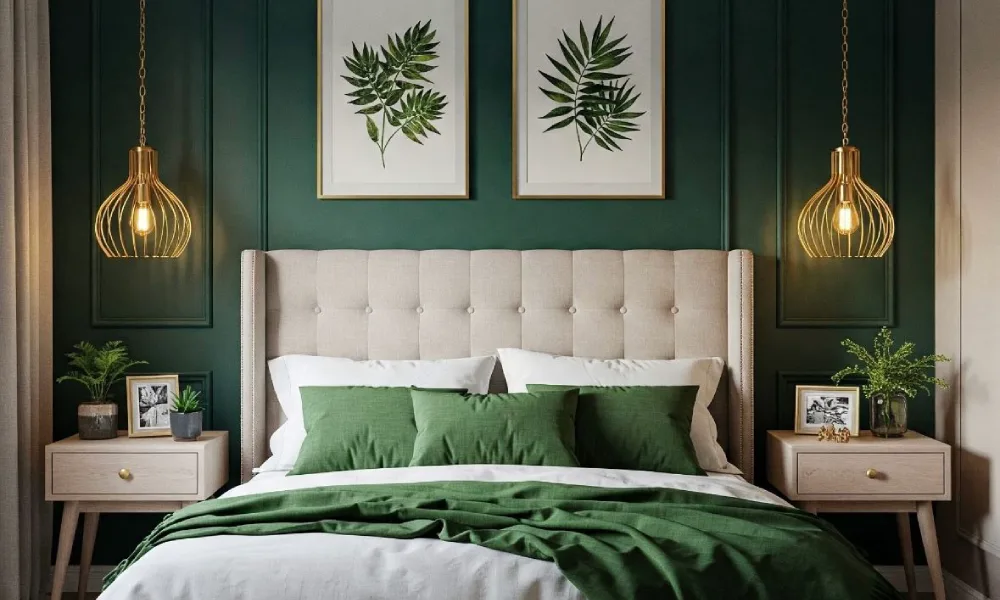
Table of Contents
ToggleHome has always been the heart of Indian life, but its meaning is evolving. With fast-paced urban living, remote work, and growing families living in small apartments, homes are becoming more than just places to live; they are symbols of identity, comfort, and balance.
These decisions are also being influenced by sustainability. People are creating houses that are more environmentally friendly and healthier by including energy-saving features, indoor vegetation, natural ventilation, and eco-friendly finishes. Style is no longer the main focus; thinking, conscious living is now.
The Indian interiors are welcoming a new era as we enter 2025–in. Today’s design trends show how Indians desire to live, work, and prosper in their homes: they are warm yet tech-enabled, traditional yet open to ideas from around the world.
Trend Foundations: What Homeowners Want Now:
The foundation of today’s interiors lies in intentional living. Homeowners are moving away from overdesigned spaces toward ones that feel authentic and functional. There is a greater desire for homes that tell personal stories and change over time, as opposed to following seasonal décor trends. Classic styles like mid-century modern are being reimagined with softer tones and sustainable finishes, while minimalist design has evolved into something warmer and more organic. Nowadays, the emphasis is on designing homes that provide serenity in the middle of daily stress by striking a balance between comfort, beauty, and emotional connection.
Simpler, Calmer Aesthetics vs Flash & Trend-Hopping
In 2025, minimalism returns but with depth and texture. The “less is more” philosophy has given way to soft minimalism, or Japandi, a style that combines Scandinavian clarity with Japanese restraint. Instead of high-gloss finishes, homeowners prefer natural materials that age gently, such as stone, rattan, and lime plaster. Soft Industrial, which combines concrete and metal with linen, curves, and warm lighting, is even replacing the once-flashy industrial style. By emphasizing peace over visual chaos, these reinterpreted aesthetics produce environments that feel classic rather than fad.
Emphasis on Wellness, Comfort, Nature & Sustainable Choices
Sustainability and well-being are now considered design necessities rather than optional extras. The concept of “biophilic design,” or “connecting interiors with nature,” is still expanding and is currently combining with more traditional tropical modernism elements to create “biophilic contemporary” settings. Designers are reviving traditional materials like cane and terrazzo while combining them with environmentally friendly advancements like low-VOC coatings and recycled composites. Mindfulness is promoted via indoor gardens, daylight zoning, and serene color schemes based on earth and water tones. The end effect is a house that encourages emotional equilibrium, environmental responsibility, and mental clarity.
Multipurpose & Flexible Spaces
As our routines blur between home, work, and leisure, flexibility has become the new luxury. Open-plan layouts are evolving into zoned interiors — where movable partitions, layered lighting, and modular furniture help a space shift roles throughout the day. Even traditional Indian design principles like the courtyard concept are being revived in modern apartments as flexible breathing zones for light, plants, or quiet reflection. Hybrid living spaces now serve as offices, guest suites, or relaxation corners, reflecting a lifestyle that values adaptability without sacrificing aesthetics.
Color, Material & Texture Trends
Earthy Neutrals & Warm Palettes: Indian interiors are embracing the charm of gentle warmth. Drawing inspiration from JK Cement’s new earthy palette, hues such as terracotta, sage green, olive, and muted rust evoke a sense of tranquility and a connection to nature. These colors harmonize beautifully with soft lighting and natural textures, creating spaces that feel both grounded and timeless.
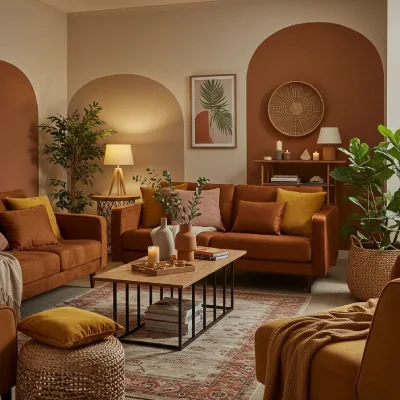

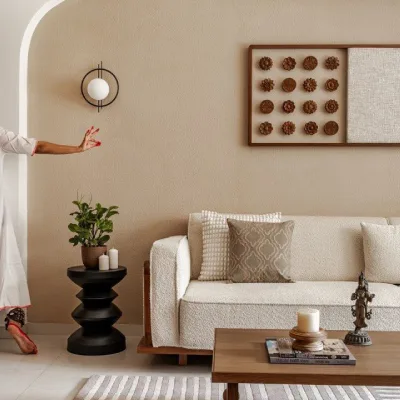
Rich Accent Colors & Bold Walls: Minimalism intertwines with personality through the use of color. Glocon India demonstrates how a single striking wall be it emerald, mustard, or indigo can serve as a focal point, showcasing individuality without creating disorder. This approach effectively infuses homes with vibrancy while maintaining sophistication.

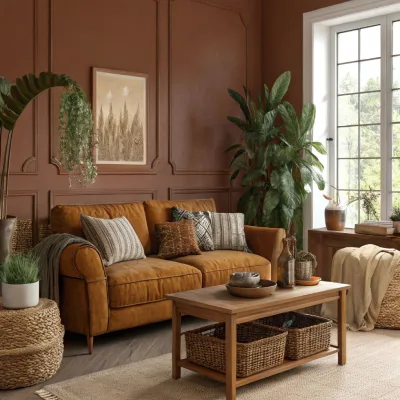

Textured Wall Finishes: Texture is becoming increasingly prominent. From Outlook Luxe’s lime-wash and clay paints to natural plaster and stone, these finishes add depth and resonate with the Indian climate providing coolness in heat, an organic feel, and an effortless elegance.
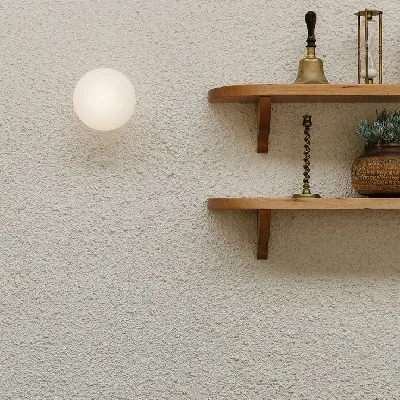

Mixed Natural Materials: As highlighted on livininteriors.com, the trend of combining material-wood with metal, stone with glass introduces a crafted richness. It’s all about achieving balance: where rustic meets refined, warmth meets sleek, and nature converges with modern design.

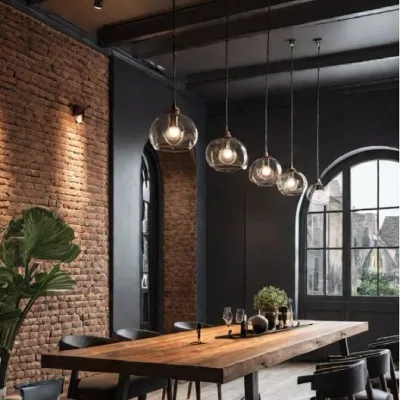
Design Style Trends: What’s Gaining & What’s Fading
What’s Out / Losing Steam
- Overly Glossy Surfaces: Matte and tactile textures that feel more grounded and natural are replacing high-shine laminates, mirror-polished finishes, and ultra-reflective materials.
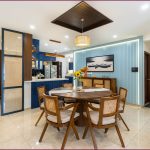
- Dense False Ceiling Designs: Cleaner, simpler ceiling lines produce a more airy, open appearance, thus stacked gypsum ceilings and heavy cove lighting are becoming less popular.
- Completely Matchy-Matchy Décor: Previously flawlessly matched hues and textiles now seem bland and cliched. For a more lived-in, organic look, designers favor combining patterns, colors, and asymmetry.
- Excessive Ornamentation: Decorative trimmings and intricate moldings are not appropriate. Instead of adornment, the emphasis is now on craftsmanship, proportion, and material quality.
- Cold Minimalism: The tendency toward stark, white minimalism is dwindling. Instead of being cold and lifeless, spaces are now made to feel cozy, multi-layered, and emotionally resonant.
What’s In / Rising
- Biophilic Design: Nature is entering the home through greenery, natural light, indoor gardens, and organic forms. This trend promotes well-being, mindfulness, and visual calm.
- Sustainable Materials: Reclaimed wood, recycled textiles, natural stone, clay, and low-VOC finishes are gaining importance, bringing longevity and conscience into design.
- Statement Walls & Ceilings: Interiors are becoming expressive through texture think wood paneling, limewash, subtle plaster textures, and sculptural lighting that add depth and artistry.
- Colour-Drenched Rooms: Deep earthy hues, terracotta, olive green, and muted jewel tones are on the rise. They’re balanced with soft neutrals to create immersive yet harmonious spaces.
- Soft Luxury: Comfort now defines sophistication — through tactile fabrics, curved forms, warm metals, and layered lighting that evoke calm elegance rather than flashiness.
Décor & Finishing Touches That Reflect These Trends
- Textiles play a central role in bringing warmth and personality to modern interiors. Depth, coziness, and visual appeal are produced by handwoven textiles, block prints, and a combination of textures like velvet, jute, and linen. A velvet sofa, for instance, combined with linen blankets or jute cushions creates a layered, comfortable look that combines richness with organic texture. Textiles are no longer merely functional; they also contribute to a space’s character and feel and promote relaxation and serenity.
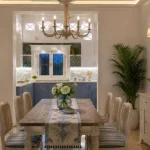
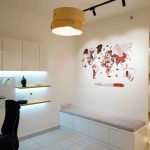
- Lighting has evolved into a crucial component of design that adds personality, spotlights features, and creates atmosphere. To draw attention to certain locations and produce visual drama, sculptural pendants, mood lighting, and layered illumination are employed. Ordinary rooms can be transformed into lively, welcoming settings with the help of LED strips behind shelves, warm-toned wall sconces, or a brass chandelier above a dining table.
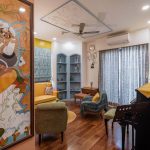
- Art and accessories allow homeowners to infuse individuality and storytelling into interiors. Character and charm are added by statement pieces, vintage or retro accents, and thoughtfully chosen items. A distinctive sculpture, a handcrafted ceramic vase, or a mid-century armchair can serve as a focal point and add flair to a room without adding extraneous elements. Careful curation is essential; every item should improve the room’s appearance and atmosphere.
- Greenery and natural elements are integral to creating calming and lively spaces. In addition to adding visual appeal, aromatic plants, indoor trees, and planter arrangements help improve air quality and general well-being. Freshness, vitality, and a sense of connection to nature can be achieved by adding hanging pots in a sunny nook, a fiddle leaf fig in a living area, or herbs in a kitchen corner. These components give the room a cohesive and welcoming atmosphere by balancing textures, colors, and furnishings.
Technology & Wellness in Interiors
- Homes are becoming smarter yet visually calm. Subtly incorporated into interior spaces, automated lighting, climate control, and security systems improve comfort and efficiency while preserving a clean appearance. Personalized and energy-efficient living spaces are created via smart sensors and app-based controls that adjust to daily activities.
- Good acoustics, natural ventilation, and fresh air are the main components of wellness-driven design. Soft furnishings, carpets, and acoustic panels lower noise levels, ensuring peace even in small urban houses, while cross-ventilated layouts, low-VOC materials, and air-purifying plants enhance air quality
- Modern homes now include spaces for yoga, meditation, or quiet reflection. Natural light, soft hues, and minimalistic décor produce a serene and calming ambiance. These nooks support emotional equilibrium and mental clarity. Even tiny spaces can be transformed into tranquil havens for everyday renewal.
Budget Categories & What Works at Each Level
Design can shine at any budget,it’s all about smart choices. For affordable homes, simple upgrades like textured wall paint, woven rugs, mirrors, and potted plants may refresh interiors quickly without stretching expenses.
Mid-tier homes allow more creative freedom. Personality and depth can be added with statement walls, soft lighting layers, or elegant hardwood finishes. The character of the space can be completely changed by a single striking piece, such as a stone backdrop or sculptured light.
At the premium level, homes turn into lifestyle statements. Luxurious havens are created with floating ceilings with hidden lighting, unique furnishings, and biophilic architecture, which includes indoor gardens or water elements. From texture to technology, every element is designed for comfort and classic style.
Expert’s Take: What Designers Are Actually Doing
Designers in India are noticing a strong trend toward adapted and evolving styles. Nowadays, a lot of customers favor reimaginings of old designs, such as mid-century furniture paired with soft, textured textiles or traditional timber patterns updated with Japandi minimalism. Spaces can feel contemporary while maintaining their cultural or historical identity thanks to these “before-and-after” techniques.
In reality, what homeowners envision frequently doesn’t match what works best. Although well-coordinated décor or high-maintenance finishes may seem enticing, designers advise long-lasting, climate-appropriate materials and adaptable layouts. Customers are discovering that sensible options, such as tiered lighting or moisture-resistant wood, improve longevity and comfort.
Experts stress that successful interiors balance trend awareness with realism. Designers frequently guide their clients toward understated, classic designs that change subtly over time, including biophilic, soft industrial, or layered eclectic styles. The ultimate result is a house that reflects both contemporary trends and individual lifestyle requirements while being aesthetically pleasing, practical, and sturdy.
Putting It All Together: New Home Design Trends You Can Use
- Layered Trends: Interiors that combine several design elements are unified and visually appealing. In addition to creating rooms that are flexible for living, working, and unwinding, layering colors, textures, materials, and lighting guarantees harmony. Depth and contemporary style are added by including biophilic components, natural textures, multifunctional layouts, and subtly striking details.
- Timeless Features: Biophilic design, low-maintenance materials, and sustainable finishes are timeless. While multipurpose areas and wellness nooks improve utility, long-term appeal is ensured by steering clear of fads like excessively polished surfaces or perfectly synchronized décor.
- Planning and Climate-Conscious Choices: Colors, textures, lighting, and furniture arrangement can all be enhanced with the use of moodboards, sketches, and layout studies. Making climate-appropriate material choices guarantees that interior spaces can withstand heat, humidity, and monsoons. Interiors that combine classic principles with flexible trends are long-lasting, fashionable, and useful.
FAQS:
1. What are the top home design trends in India for 2025?
2025 interiors celebrate natural warmth—think earthy palettes, sustainable materials, curved silhouettes, flexible layouts, and sculptural lighting.
2. How can I make my home look trendy on a budget?
Mix style with smart choices—reuse old pieces creatively, add trendy cushions or rugs, experiment with wall colours, and use budget-friendly lighting for a fresh look.
3. Are earthy tones still trendy?
Absolutely. Earthy shades like sand, terracotta, and sage remain highly popular in 2025, providing warmth and creating natural, calming environments suitable for modern Indian homes.
4. How to balance bold colours in a small home?
Highlight one wall or a few accessories, pair with soft neutrals, and let natural light balance the look.
5. What materials are best suited for the Indian climate when following new trends?
Opt for bamboo, reclaimed wood, cotton, linen, and stone—cool, breathable, and long-lasting.
Conclusion
In conclusion, 2025 will see a shift in interior design trends toward a harmonious balance that beyond aesthetics. In order to create places that seem both lived in and purposeful, homes are embracing nature, individuality, comfort, and sustainability. It involves creating classic residences that also capture the unique personalities of their occupants.
Explore the Latest Interior Design Trends Shaping Modern Homes
Follow us on:
About us
Welcome to CeeBeeDesignStudio, an Indian homegrown interior design brand where every home is a canvas and every design is a story.
We’ve proudly completed over 1000 residential and 400 commercial projects across 7 cities, earning a reputation for unmatched aesthetic acumen and client satisfaction. Our studio has also been recognized with multiple national awards, a reflection of our commitment to excellence, storytelling, and design innovation.
From thoughtfully styling modern apartments to restoring heritage homes, we bring soul, sustainability, and structure into every project.