Antique Indian Traditional Interior Design - Where Heritage Meets Timeless Elegance

The Charm of Antique Indian Interiors

Each antique piece narrates a tale of time, craftsmanship, and ancestry. Interiors are more than just decor in a nation with as much cultural diversity as India; they are dynamic representations of the past. Every piece, from brass lamps that previously lighted ancestral homes to intricately carved temple pillars, embodies the spirit of a bygone period.


The foundation of this classic style is India’s rich architectural, architectural, and furniture design legacy. Every region exhibits unique craftsmanship that honors talent, spirituality, and tradition, from the grandiose palaces of Rajasthan to the Chettinad houses of Tamil Nadu.

Defining Antique Indian Traditional Interior Design

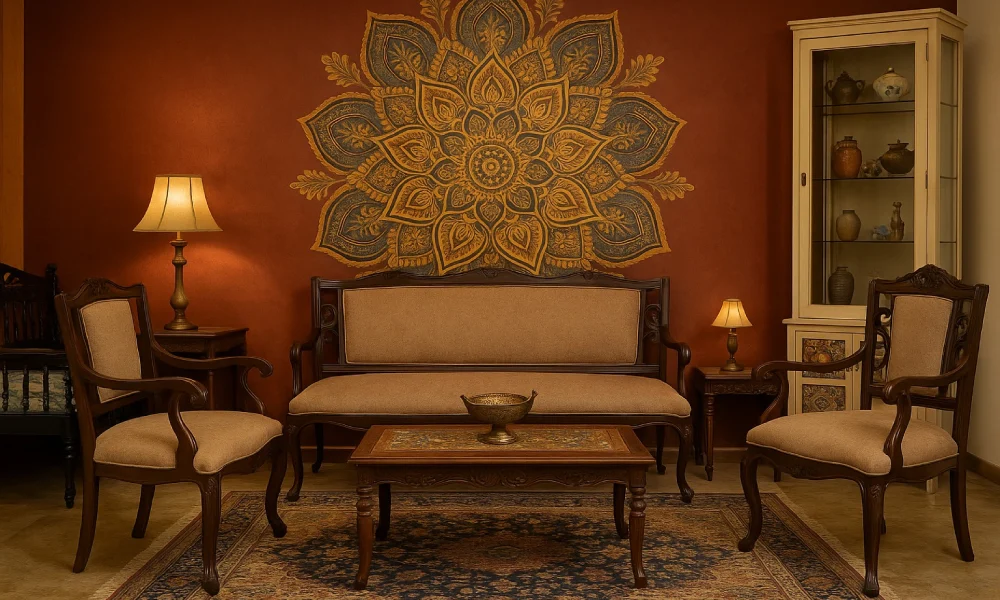
Antique Indian interior design celebrates timeless craftsmanship, cultural heritage, and artistry passed down through generations.
What qualifies as “antique”:

  • Real age or historical influence
  • Using long-lasting, natural materials like sheesham, teak, or rosewood
  • Fine craftsmanship, elaborate joinery, and hand-carved details
  • finishes that display the character, gloss, and patina that have developed over time


Essential Characteristics:

  • Furniture made of solid wood with elaborate embellishments
  • Metal and brass inlays for decoration
  • Traditional designs and ethnic motifs derived from mythology, wildlife, and plants
  • Luxurious fabrics such as handloom weaving, silk, and brocade
  • Natural finishes and warm, earthy hues.


Distinction from Other Styles:

  • Antique honors royal craftsmanship and legacy.
  • Rustic It highlights natural textures that are unpolished and raw.
  • Vintage represents retro or mid-century design rather than antiquated customs.


Regional Factors:

  • Rajasthan: elaborate jharokhas, ornate doorways, and vivid hues
  • Brass artifacts, teak pillars, and Athangudi tiles can be found at Chettinad, Tamil Nadu.
  • Bengal: Antique furniture, colonial influence, and artistic woodworking
  • Kerala: traditional “nalukettu” layouts, brass lighting, and wooden ceilings

Key Elements of Antique Interior Design in India

Antique Indian interiors come alive through their materials, textures, and craftsmanship, each element telling a story of tradition and timelessness. Here’s how to visually bring this style to life:

Materials and Finishes

  • Signature Woods: Because of their robustness, grain, and deep natural tones, teak, rosewood, and sheesham are common woods used in vintage interior design.
  • Metal Accents: From lamps and door handles to elaborate inlays, polished brass, copper, and bronze décor give a regal gleam.
  • Earthy Touches: Hand-painted panels or murals, lime plaster walls, and terracotta tiles create an earthy charm that is evocative of ancestral homes and old havelis.
  • Finish & Patina: Surfaces can be burnished, aged, or polished, showcasing the beauty of flaws and worn textures.


Furniture

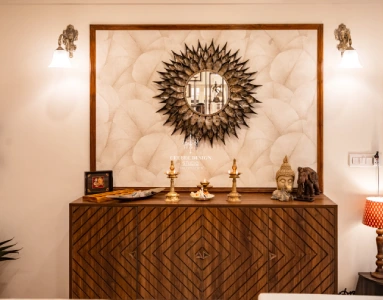
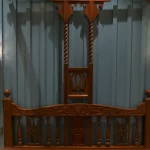
  • Statement pieces: Consider four-poster beds, carved diwans, colonial-style chairs, and elaborate mirror frames that serve as the focal point of every room.
  • Traditional Craftsmanship: Turned legs, latticework, and hand-carved embellishments highlight local artistry.
  • Reproductions vs. Restored Antiques: While authentic items have an unparalleled appeal, well-made reproductions can provide the same sense of antiquity while incorporating contemporary functionality.


Textiles & Decor

  • Rich Fabrics: Brocade drapes, silk cushions, and block-printed fabrics layer the room with color and texture.
  • Lighting: Vintage chandeliers, oil lamps, and lanterns cast a warm, nostalgic glow.
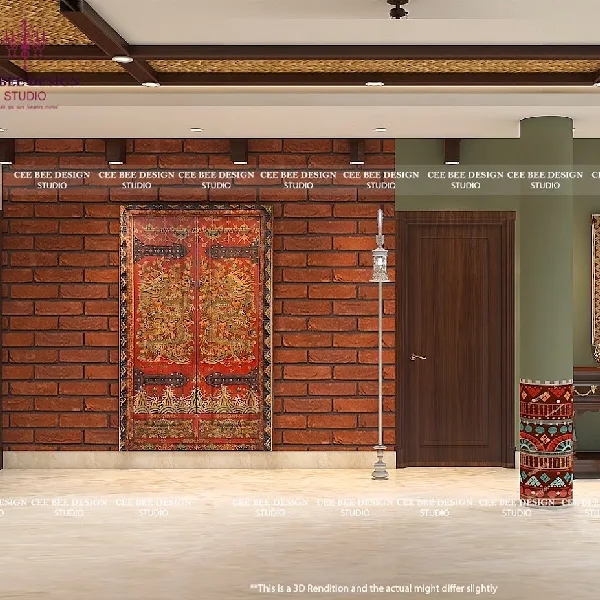
  • Cultural Accents: Carved doors, temple bells, handcrafted pottery, and traditional artwork complete the look with soulful detail.
  • Color Palette: Deep reds, golds, indigo, and earthy browns echo the grandeur of Indian palaces and heritage homes.

Modern Antique Interior Design - Blending Heritage with Contemporary Life

Creating a Balanced Aesthetic

  • Old-World Soul, Modern Comfort: Blend antique elements with clean lines, open spaces, and functional layouts.
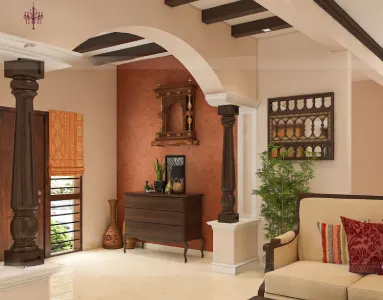
  • Neutral Backdrops: Pair richly carved wooden furniture or brass artifacts with neutral walls as in whites, beiges, or muted greys, to let the antiques shine.
  • Minimalist Layouts: Avoid overcrowding; let each antique piece breathe and tell its own story.
    Modern Lighting: Use track lights, pendant lamps, or recessed lighting to highlight textures and craftsmanship.


Fusion Ideas for Timeless Charm

  • Antique Wooden Door as Wall Panel: Repurpose an intricately carved door or window frame as a dramatic feature wall or headboard.
  • Heritage Chest as Coffee Table: Use an old trunk or dowry chest as a center table both functional and steeped in nostalgia.
  • Brass Accents in Modern Spaces: Introduce brass handles, lamps, or trays in minimalist kitchens and living rooms to add a warm, traditional touch.
  • Mix & Match: Combine antique furniture with modern upholstery, or place traditional mirrors above sleek consoles for balanced contrast.

Regional Inspirations Across India

Rajasthan – The Royal Grandeur

  • Domed ceilings, scalloped arches, and elaborate jharokhas reminiscent of Rajput palaces are examples of architectural motifs.
  • Materials: Exquisite furniture made of rosewood or teak with inlay details of brass and bone.
  • Royal opulence is echoed by the deep reds, maroons, golds, and embroidered textiles.
  • Accents for the décor include painted ceilings, carved columns, mirror work, and vintage metal lamps.
  • Inspiration: Jaipur’s Royal Heritage Haveli, which features arched courtyards, antique furnishings, and hand-painted walls.
antique interior design

Chettinad (Tamil Nadu) – The Splendour of South Indian Craft

  • Large courtyards, Burma teak pillars, and elaborate wood details are some of the building’s distinguishing features.
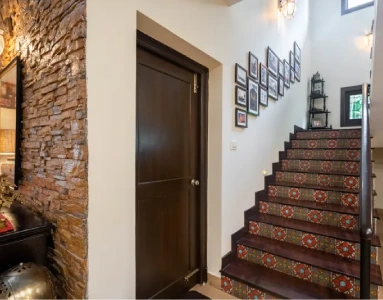
  • Flooring: Vibrant Athangudi tiles hand-made with floral and geometric patterns.
  • Furniture: Heavy teak furniture with brass fittings and European influences.
  • Decor Language: Ornate door frames, chandeliers, and ancestral artifacts.
  • Inspiration: The Bangala, Karaikudi, a restored Chettiar mansion showcasing Chettinad tilework and heritage decor.

Kerala- The Tranquil Heritage

  • Architecture: Sloped tile roofs and center courtyards are features of traditional Nalukettu dwellings.
  • Materials: Brass lamps and urulis are used in abundance, along with teak, rosewood, and cane.
  • Decor Palette: Natural ventilation, earthy hues, and gentle lighting create a serene, tropical atmosphere.
  • Craft Features: Temple-inspired murals, carved doors, and handcrafted wooden ceilings.
  • The inspiration came from the exquisitely restored 200-year-old Nalukettu house in Thrissur called Kunnampath Heritage Homestay.

antique room design

Bengal – Colonial Elegance Meets Indian Artistry

  • Colonial-era architectural features include large verandahs, French windows, and high ceilings.
  • Furniture: Dressers, four-poster beds, and chairs with cane backs made of dark mahogany and rosewood.
  • Highlights of the decor include framed old photos, chandeliers, and stained glass panels.
  • Color and Texture: Antique rugs, jamdani, and kantha textiles are combined with subdued pastels.
  • The riverfront heritage home Bari Kothi in Murshidabad, which showcases Bengal’s colonial and Nawabi fusion, served as the inspiration.
modern antique interior design

The Living Room

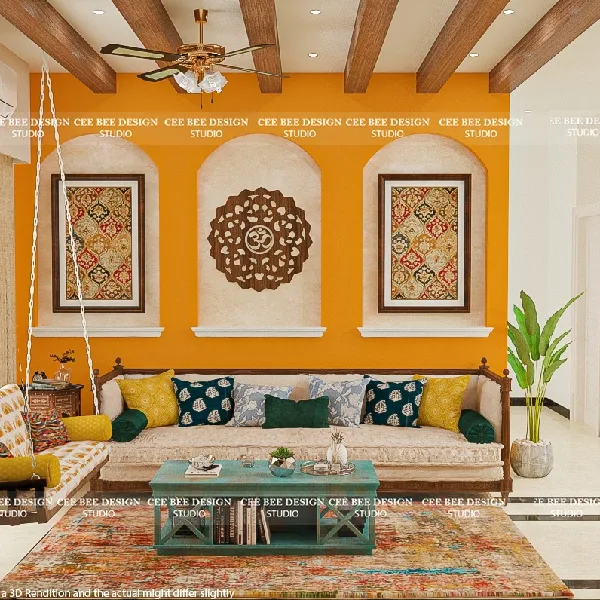
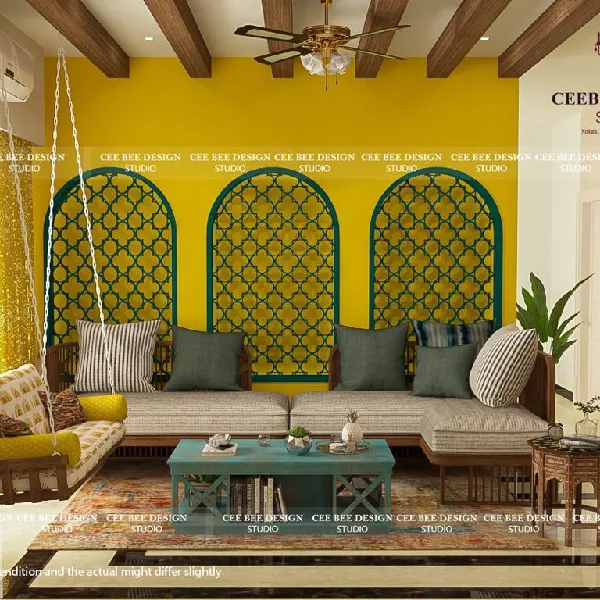
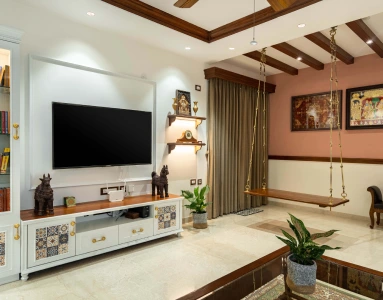
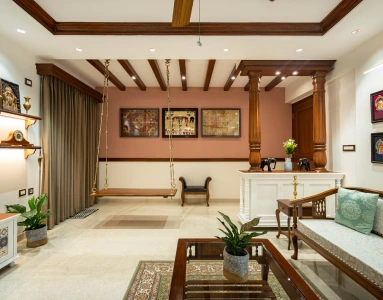
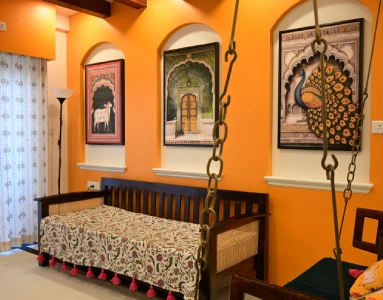
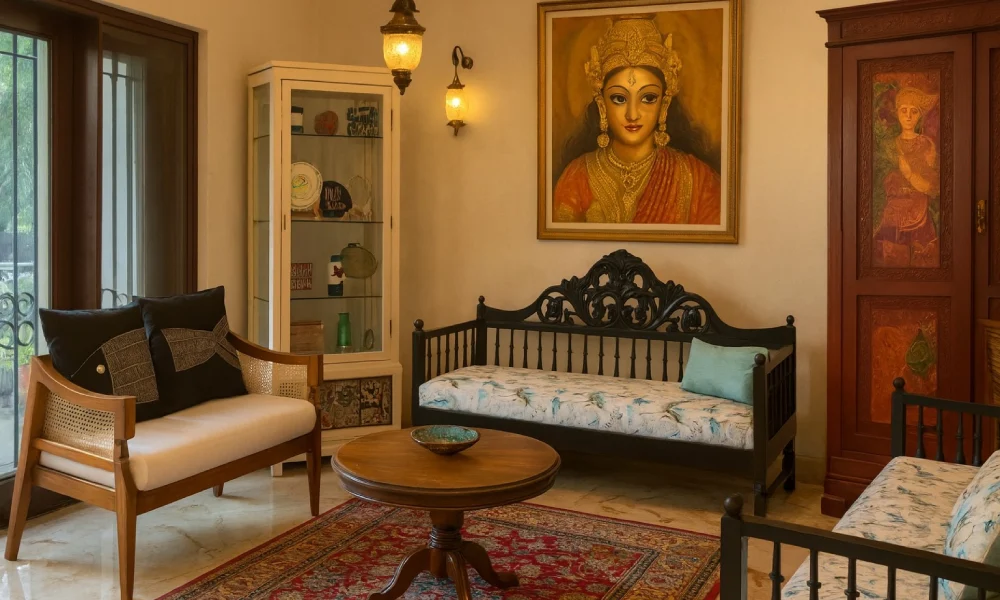
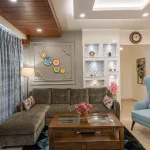
  • Statement Piece: The main feature is a traditional wooden swing, or oonjal, with brass chains.
  • Furniture includes solid-wood coffee tables with brass embellishments, low diwans, and sideboards with carvings.
  • Accents: Oil lamps, antique clocks, and mirrors create a cozy, multi-layered appearance.
  • Textures: For regal comfort, combine silk blankets, patterned rugs, and embroidered cushions.
  • Lighting: To draw attention to wood carvings and artwork, use pendant lights or wall sconces.

The bedroom

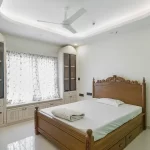
  • The focal point could be a magnificent four-poster bed or a wooden cot with elaborate carvings.
  • Furniture includes handcrafted bedside tables, teak dressers, and vintage wardrobes.
  • Background: To contrast the richness of the antique wood, choose muted pastel or neutral walls.
  • Brass bedside lamps, lace drapes, and handloom bedspreads are examples of decor accents.
  • Mood: Calm and timeless with earthy tones and soft lighting.

The Dining Room

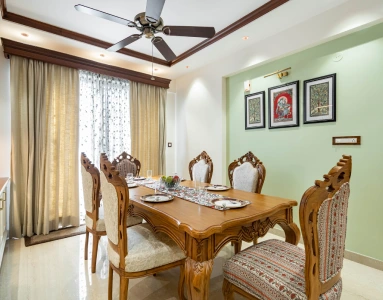
  • Furniture: A long, heavy-legged wooden dining table with benches or chairs with carvings.
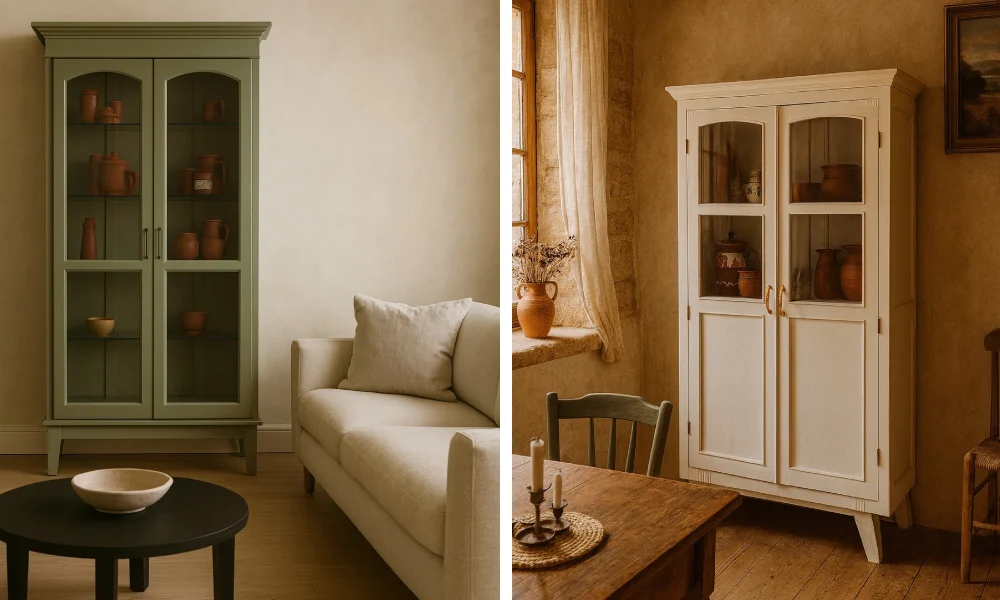
  • Display: Open crockery units featuring brass serveware and antique crockery.
  • Ambience: To create a cozy eating atmosphere, use hanging lamps or pendant chandeliers.
  • Flooring: For a classic basis, use Athangudi or terracotta tiles.
  • Highlight: For a unique, heritage touch, include framed family portraits or paintings.

Temple/Foyer Space

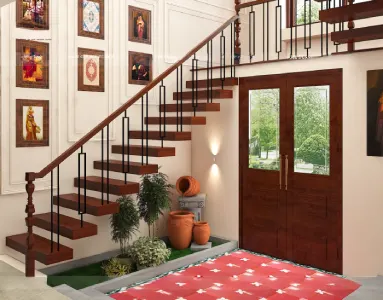
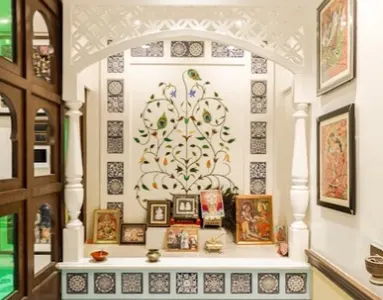
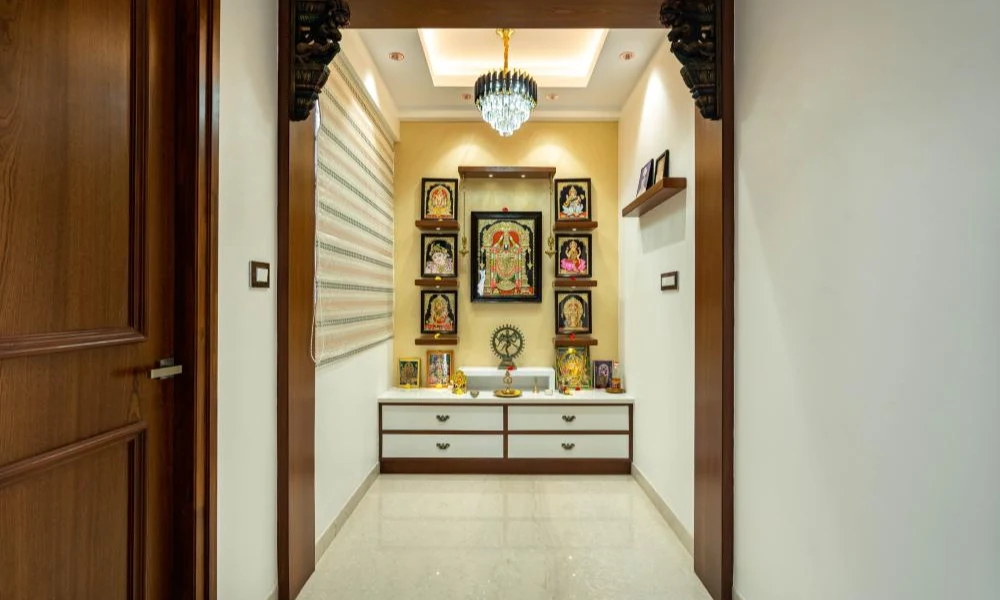
  • The main components of the décor include tulsi tharas for authenticity, temple bells, and brass lights (vilakku).
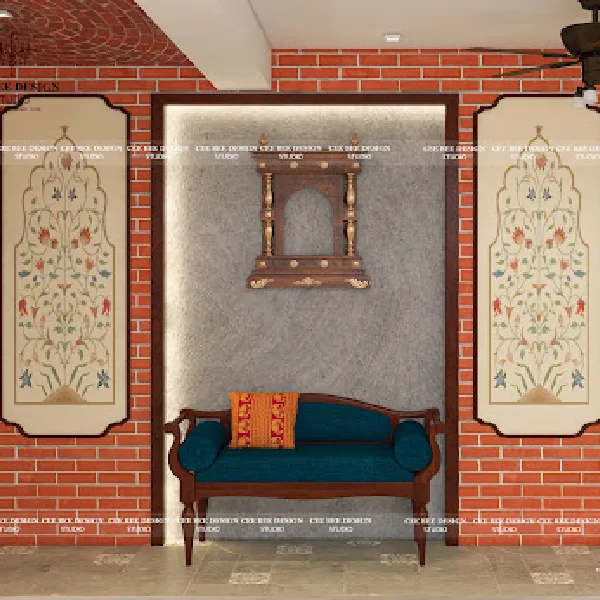
  • Paintings & Wall Decor: For a spiritual atmosphere, use framed deity paintings or traditional murals.
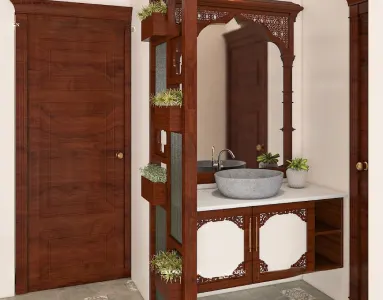
  • Partition: To discreetly divide areas, use wooden or lattice jali screens.
  • Material: For depth and contrast, combine carved wood with stone bases.
  • Lighting: Soft golden light to accentuate the feeling of holiness and antiquity

Styling Tips for a Balanced Antique Look

  1. Prevent Clutter: Pick a few focal points and give them the spotlight. Antiques can lose their beauty if they are overcrowded; instead, give each piece room to tell its own tale.


  1. Layer Your Lighting: To provide depth, use accent and ambient lighting. To draw attention to exquisite furniture features, carved panels, or artwork, use spotlights or wall washers.


  1. Carefully Combine Textures: To create a rich, tactile space, combine silk textiles, metal accents, hardwood furniture, and stone floors. This combination keeps the room from becoming overly traditional or boring.


  1. Add Greenery for Freshness: A potted palm, money plant, or bonsai adds nature’s brightness and harmony to intricate décor and heavy wood tones.


  1. Restore, Don’t Replace: Preserve the soul of your antiques by refinishing or restoring them through skilled craftsmen. A gentle polish or repaired joint retains character while ensuring longevity.

How Cee Bee Design Studio Can Help

At Cee Bee Design Studio, we believe heritage is not just to be preserved, it’s to be lived, experienced, and reimagined.


  • Expertise in Indian Heritage Interiors: We infuse each antique-inspired space with authenticity and narrative thanks to our in-depth knowledge of local crafts, materials, and motifs.


  • Curated Sourcing: Handcrafted décor, restored heirloom pieces, and genuine antique furniture obtained straight from craftspeople and reputable heritage marketplaces.


  • Design Balance: We make sure that every room seems soulful but livable by skillfully fusing traditional beauty with contemporary comfort and utility.


  • Turnkey Execution: Our team oversees all aspects of furniture repair, layout planning, lighting, and décor throughout India, from conception to installation.


  • Customisation: We reinterpret historic parts to fit your lifestyle, architectural style, and vision, whether it’s a villa, apartment, or boutique hotel.

Case Studies

Let us go through a few case studies

Case Study 1: Classic, Timeless and Traditional

antique interiors

Overview of the Project

Our client’s home spans 1,800 sq ft, and they wanted a space that feels rooted in the rich traditional art of India, yet lives comfortably today.


We stepped in to craft a home where every piece of furniture, artwork, and carving speaks of heritage, but the layout accommodates modern living.


Challenges

The client brought a wide array of handcrafted art pieces-from Tanjore paintings to Saharanpur wood-carved carved furniture-to make them feel coherent in the space.


We had to balance grandeur, rich Indian craft, with the designer’s belief in “less is more”. Too much could feel cluttered.


Since many traditional pieces are heavy and ornate, it was important to make sure they worked within the spatial flow of the home and its lighting without overpowering it.


Our Approach

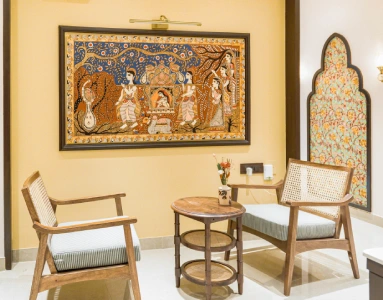
Art and craft pieces were curated region-wise: Tanjore art, bronze icons, Pattachitra, Talapatra, and many more. Each had a place, each told a story.

Designed in the “less is more” spirit, we used rich materials and detailing while maintaining open spaces, light walls, and subtle tones to allow each piece to shine.


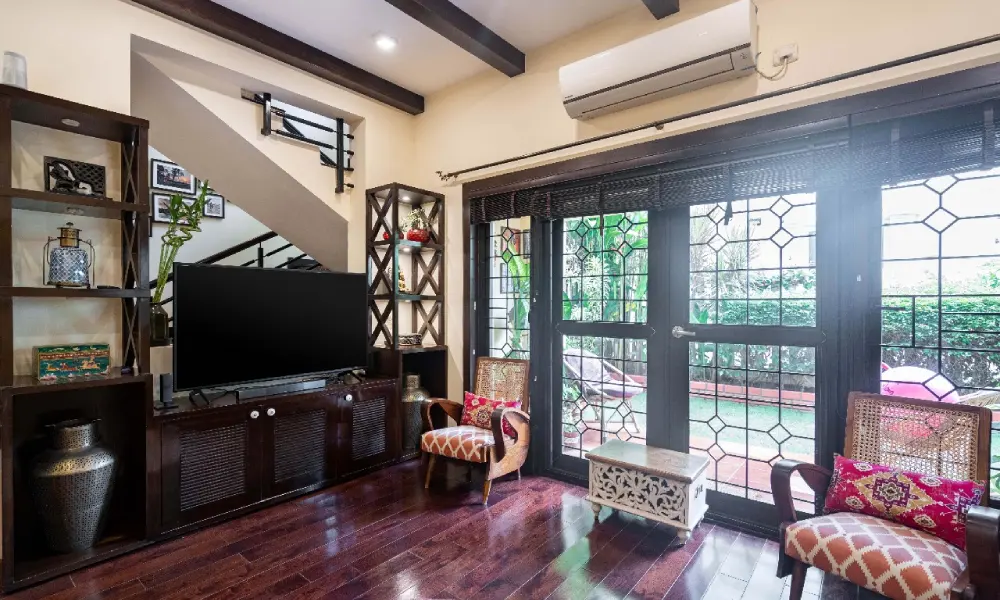
We incorporated modern functionality subtly, for example, a sleek TV unit with storage, traditional chairs with vibrant accent colours, a clear statement brick wall in the dining area with a mirror & spotlights.


Each room took on its own character while maintaining a feeling of flow: the living room was warm with wood and art, the dining area bold in texture, the bedroom restful yet luxurious.


Results

The house now truly reflects the Indian artistic heritage, keeping in view the needs of modern living. The client described the experience as “Personalised Designing & Professional”.


The pieces are handcrafted, but the space feels calm and inviting rather than overwhelming or busy.


Function meets form: discreet storage, lighting that highlights art, and furniture that can be used day-to-day.


This home tells the Indian craft story, with ageless design, while also being stylish and cosy.
Case Study 2: Interior Design Project in the Kerala Style

antique interior

Overview of the Project

This is a 3 BHK, 1,510 sq ft home that is laid out with Kerala-style architecture and interiors.

The objective of the clients, a young couple, was to carry through the peaceful and natural feeling of Kerala with wooden columns, carved beams, and open spaces – yet be laid out for a modern lifestyle.


Challenges

Bringing in real Kerala-style features-wooden pillars, carved detailing-into a modern city setting without making the home seem archaic, but rather fresh.


Sourcing and custom-making intricate wooden carvings and heavy traditional elements without creating the feeling of a dark or cramped space.


Ensuring the home met modern needs in terms of good lighting, ventilation, functionality, while still preserving that heritage feel.


Our Approach

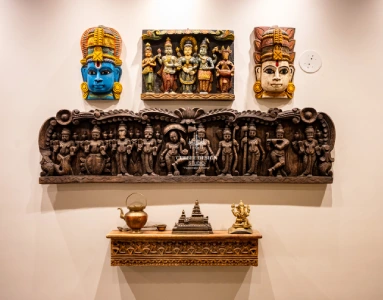
We used heavy wood pillars with intricate carvings in the puja area and customised units in red polish and gold accents—so that traditional craftsmanship becomes a centrepiece.


Materials and textures were chosen that reflect Kerala’s natural sensibility: wood, warm tones, an earthy palette, and elements that recall regional architecture.


We planned the layout and lighting to keep the space bright and open, so it is neither heavy with traditional woodwork, but rather cosy and light.


We seamlessly integrated modern amenities – so it looks heritage-inspired, yet functions like a modern home.


Results

The home instantly evokes the serenity of Kerala: warm wood tones, calm spaces, craft details that delight the eye.


It remains fully livable for modern family life: the couple gets a stylish, functional home they love, with character and soul.


In fact, the blend was organic and harmonious between traditional architecture and contemporary lifestyle-not at all forced or mismatched. This project stands as a testament to how heritage design can feel fresh, lively, and suited for today. 

FAQs

1.What constitutes interior design in the antique era?

Often influenced by local customs, antique interior design honors history, artistry, and classic materials like brass, teak, rosewood, and hand-carved details.


2.How can I combine contemporary decor with antique furniture?

Neutral walls, simple designs, and contemporary lighting should all be used to balance striking antique artifacts. Keep the remainder of the room tidy and practical while using antiques as focal points.


3.Are small houses or apartments a good fit for antique design?

Indeed. To add impact without cluttering, pick a few essential pieces, such as a vintage chest, tiny sideboard, or carved mirror.


4.Where in India can I find genuine antique furniture?

Seek out selected shops that specialize in restored antiques, artisanal workshops, and heritage markets. Well-known sources include Bengal, Kerala, Rajasthan, and Chettinad.


5.How can I fix or repurpose old items for daily use?

Collaborate with knowledgeable artisans to fix or refurbish objects. While keeping its historic appeal, repurpose swings as statement seating, antique doors as wall panels, and chests as coffee tables.

Conclusion

Antique home design is about soul, not age.They perfectly balance tradition, artistry, and contemporary comfort.

Speak with Cee Bee’s design experts now to rediscover India’s timeless beauty via timeless design.

Create Your Bespoke Antique Indian Interior

Follow us on:​

About us

Welcome to CeeBeeDesignStudio, an Indian homegrown interior design brand where every home is a canvas and every design is a story.
We’ve proudly completed over 1000 residential and 400 commercial projects across 7 cities, earning a reputation for unmatched aesthetic acumen and client satisfaction. Our studio has also been recognized with multiple national awards, a reflection of our commitment to excellence, storytelling, and design innovation.
From thoughtfully styling modern apartments to restoring heritage homes, we bring soul, sustainability, and structure into every project.

Enter Your Details

About Us

CeeBeeDesignStudio is one of the fastest growing interior execution companies. Currently we have very strong presence in Bangalore, Goa, and Kolkata. Our motto is to keep the clients requirement and budget in mind and give a qualitative result on time.

Contact Info

Bangalore:

Contact Info

Kolkata: